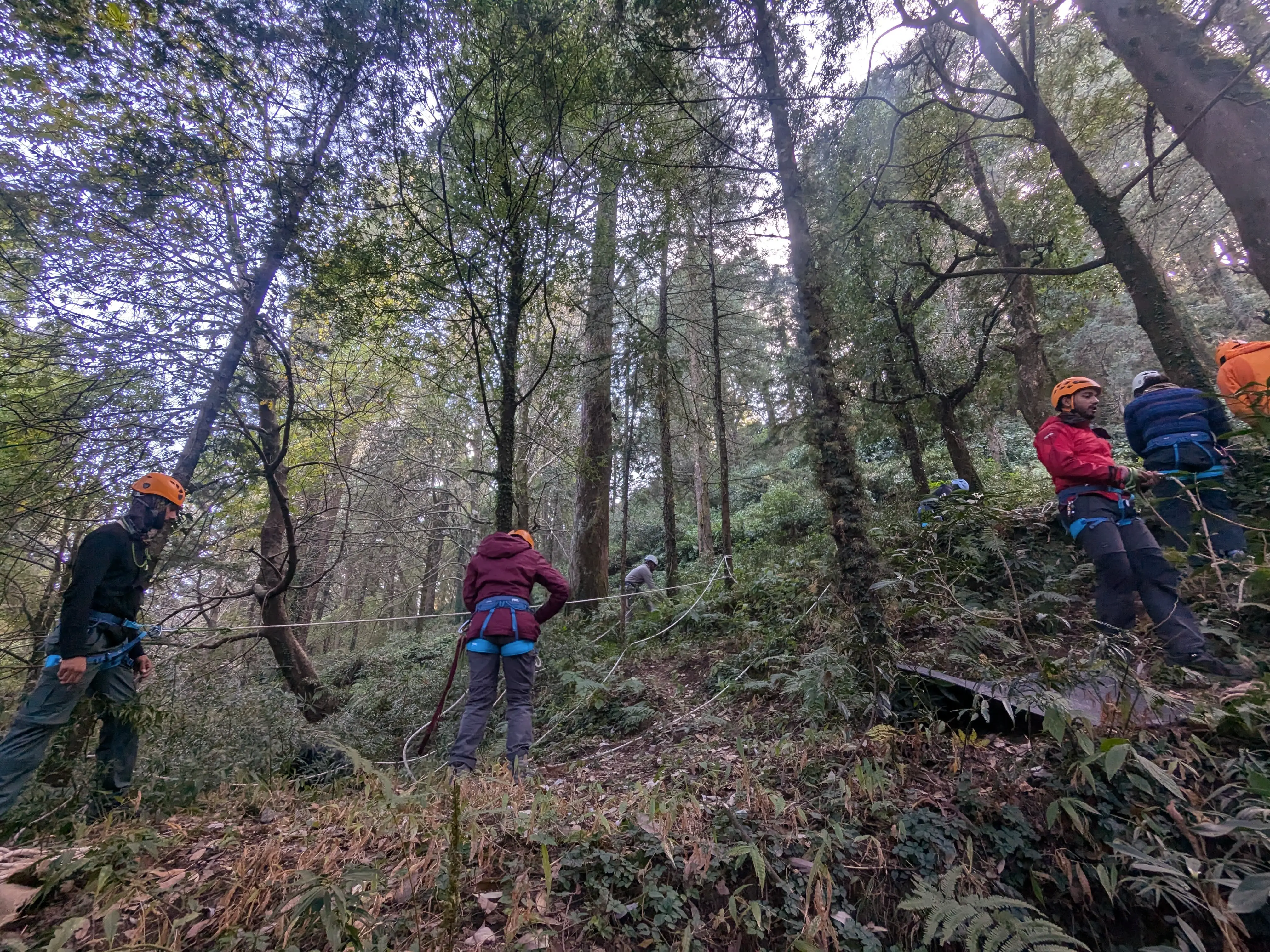
Outdoor Living Skills
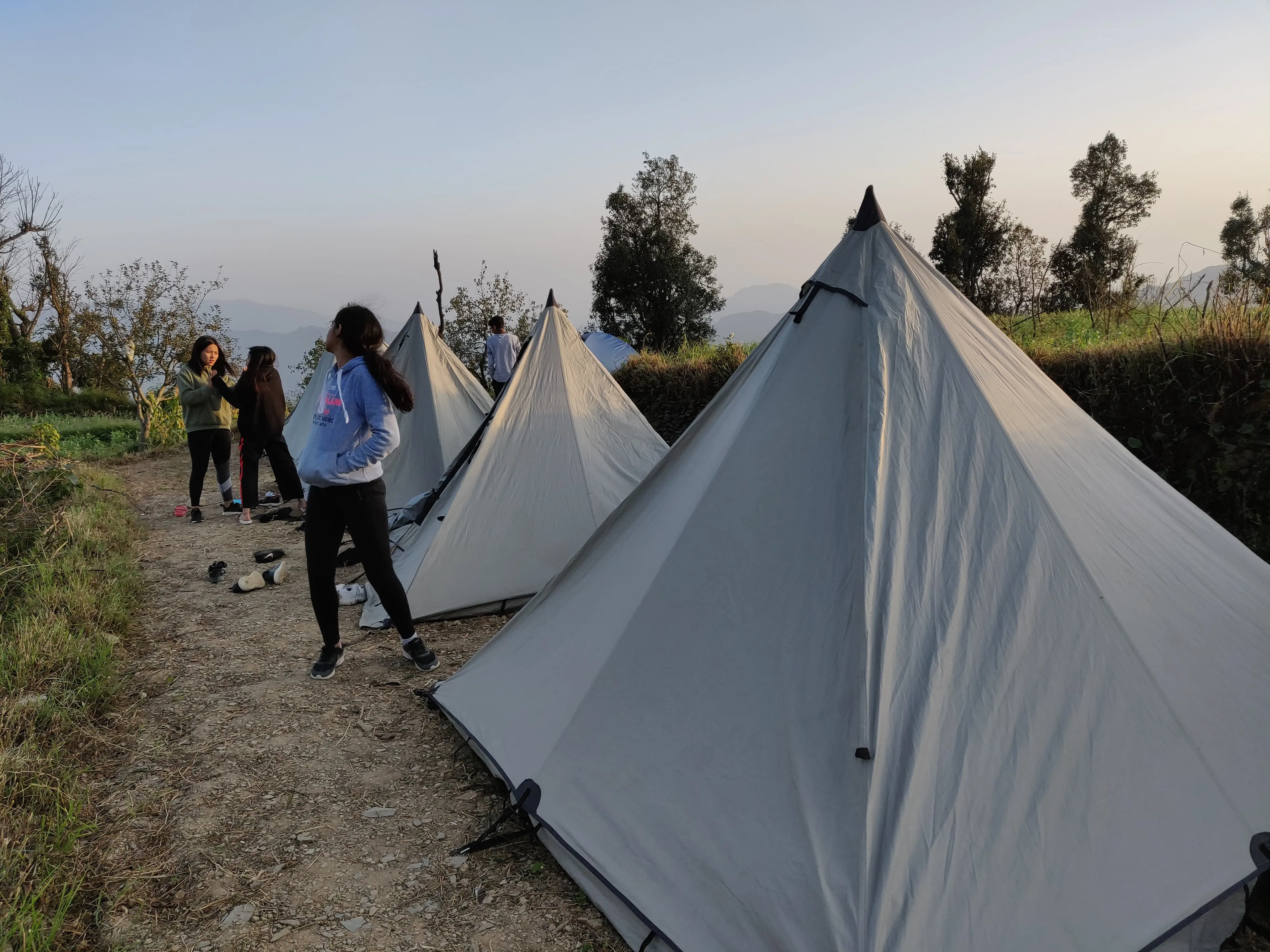
Outdoor Living Skills (OLS) is the foundation of everything we do in the wilderness. We learn to live and travel comfortably, safely, and responsibly in natural environments — from a single-night camp to a multi-week wilderness journey.
Core areas of learning:
Etiquette
Nutrition
(LNT)
Awareness
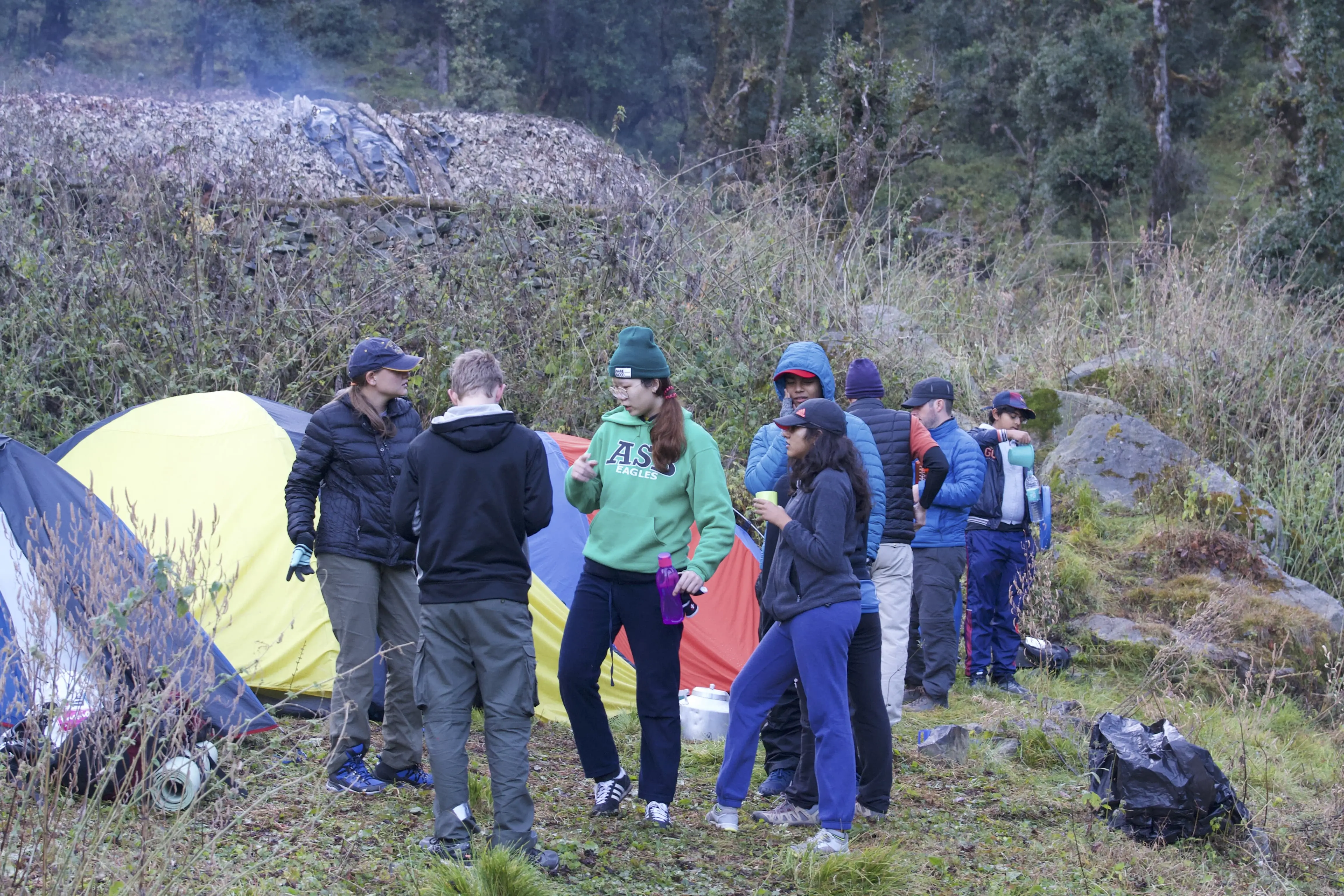
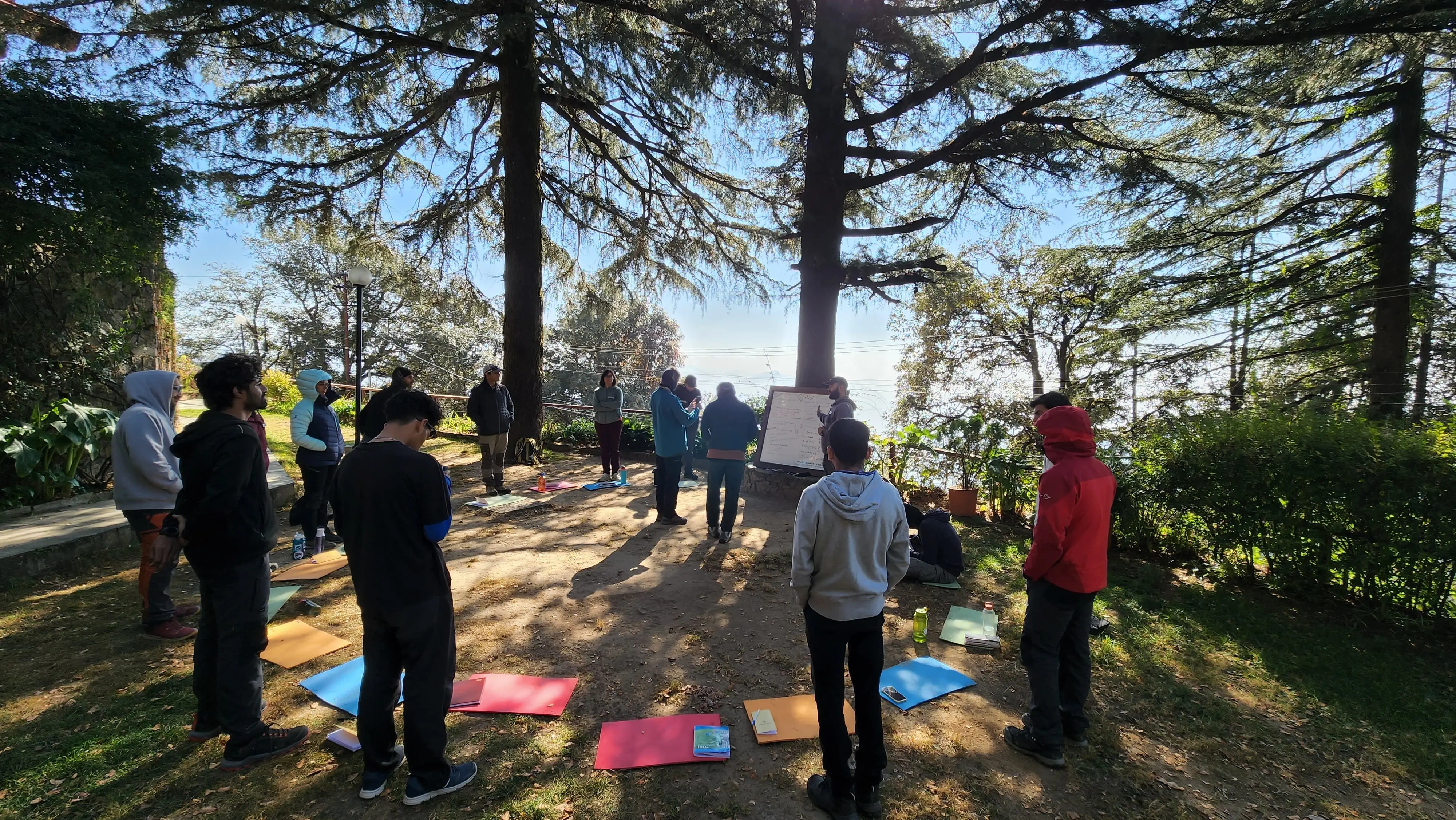
OLS encompasses the practical, hands-on skills that allow you to read a landscape or terrain, set up a shelter, navigate using map and compass or GPS, build a fire responsibly, cook a nourishing meal on a camp stove, and recognise weather patterns and build environmental awareness. These are skills built over time through experience, repetition, and reflection.
"The outdoors is not a classroom you visit — it is one you live in. Outdoor Living Skills are what make that living possible, and what turn discomfort into competence."
Our OLS programs can be custom designed for school and college groups according to their curriculum requirements, and are run in collaboration with other experienced educators. Each program is structured around progressive skill-building, with an emphasis on safety, environmental stewardship, as well as persronal and group development.
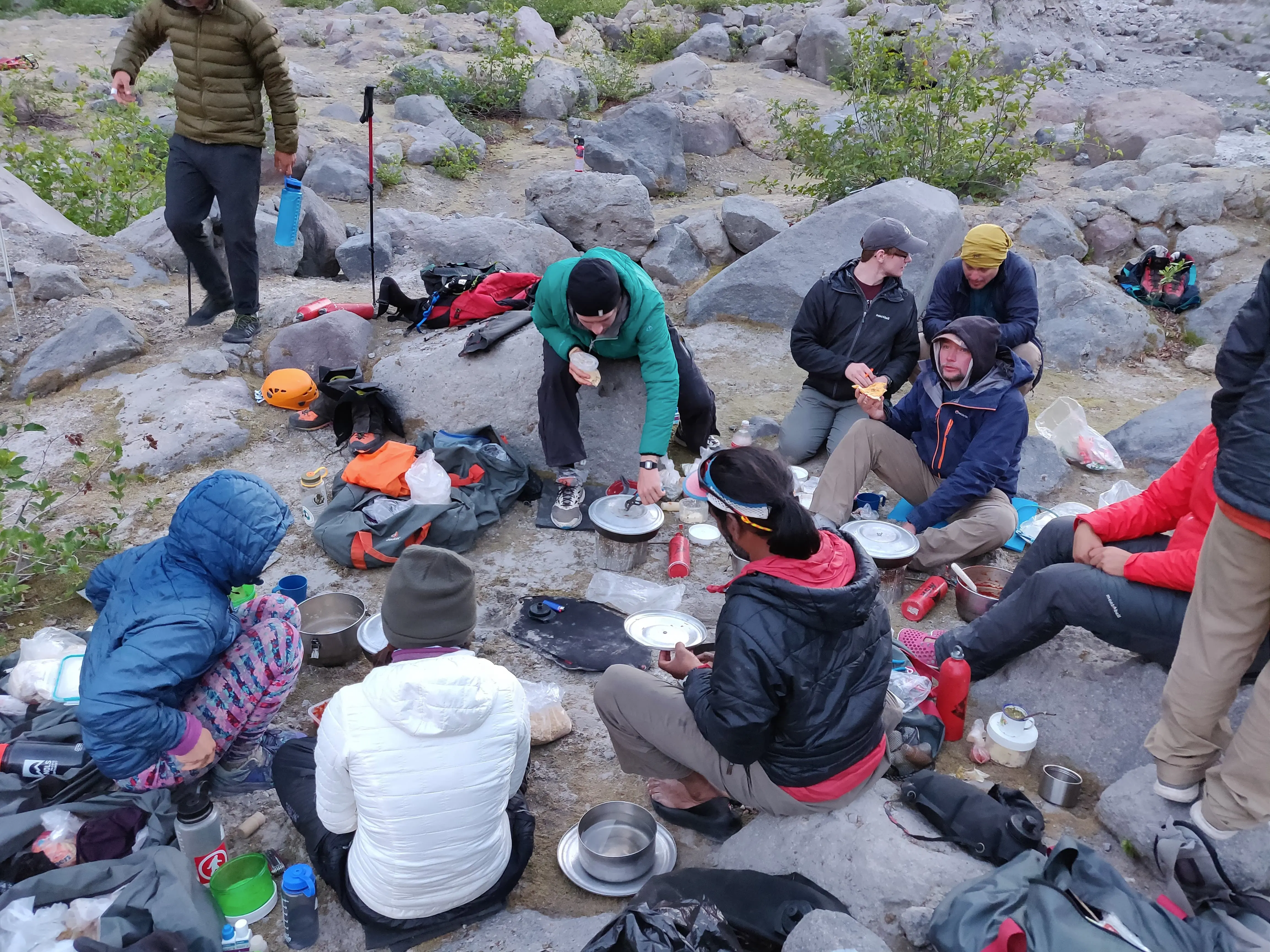
A strong thread running through all OLS programs is the Leave No Trace ethic — the principle that we have a responsibility to minimise our impact on the places we go to. Understanding our impact on the environment is not a footnote; it is central to what it means to be a skilled and conscious outdoor person.
Wilderness First Aid
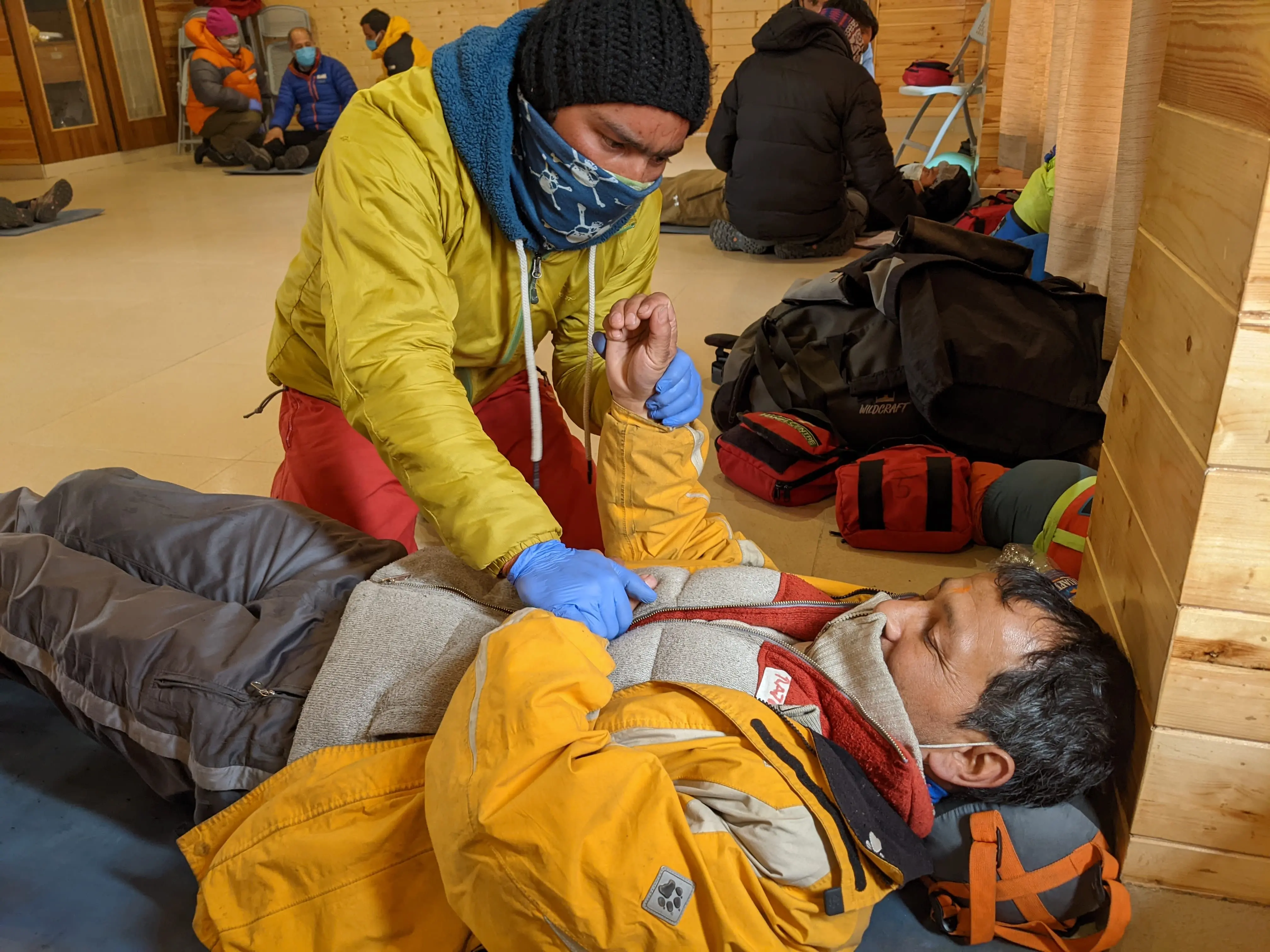
The skills that we learn in wilderness medicine are critical for our well-being when going outdoors, as individuals, or in a group. But we end up using them most when an emergency occurs at home.
That said, when you are more than a day's hike from the nearest road, the rules of emergency medicine change completely. Wilderness medicine is the discipline that bridges the gap between a medical emergency and definitive care — when hospital-level help may be hours or even days away, and when you are the most qualified person in the field.
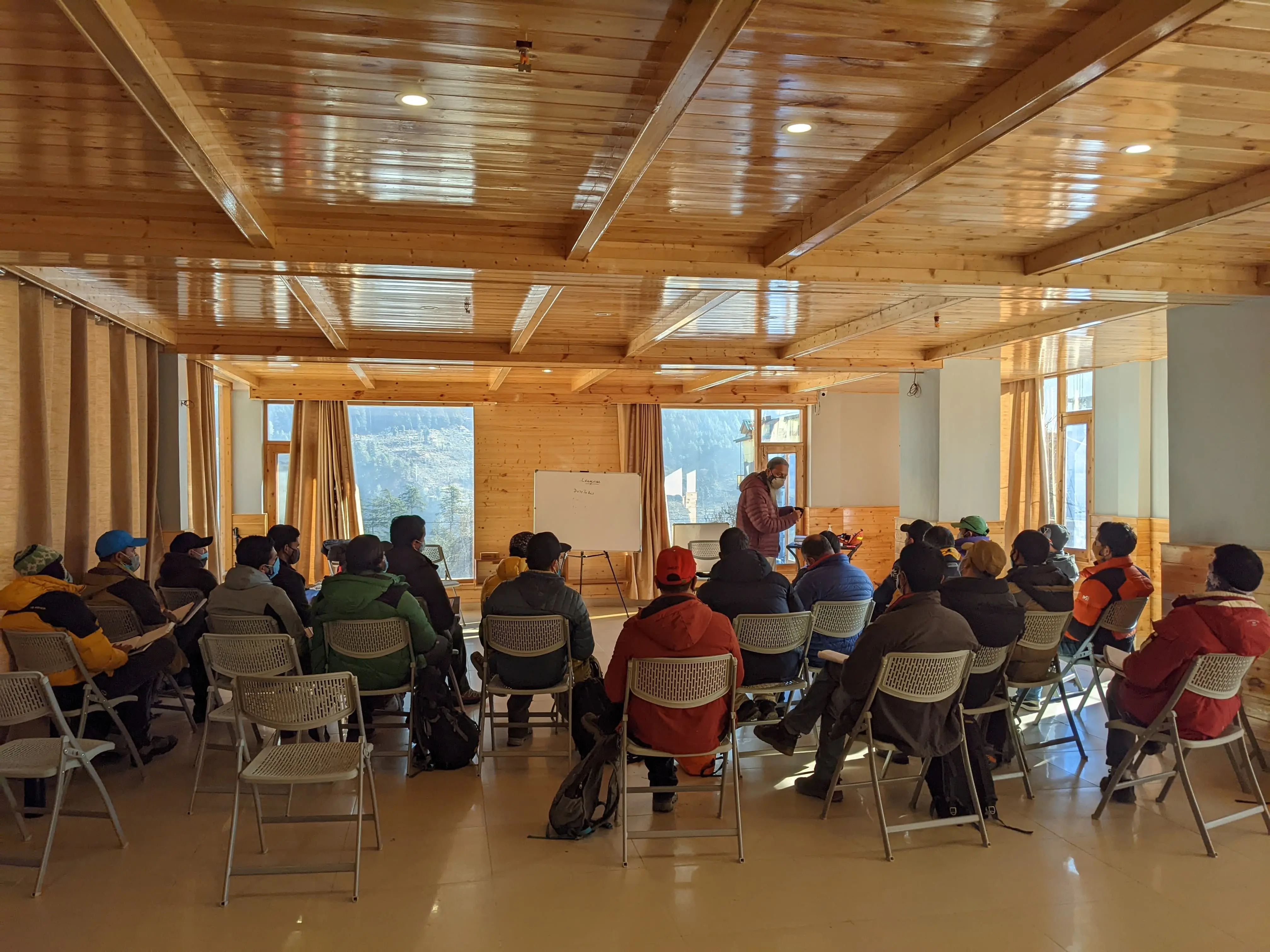
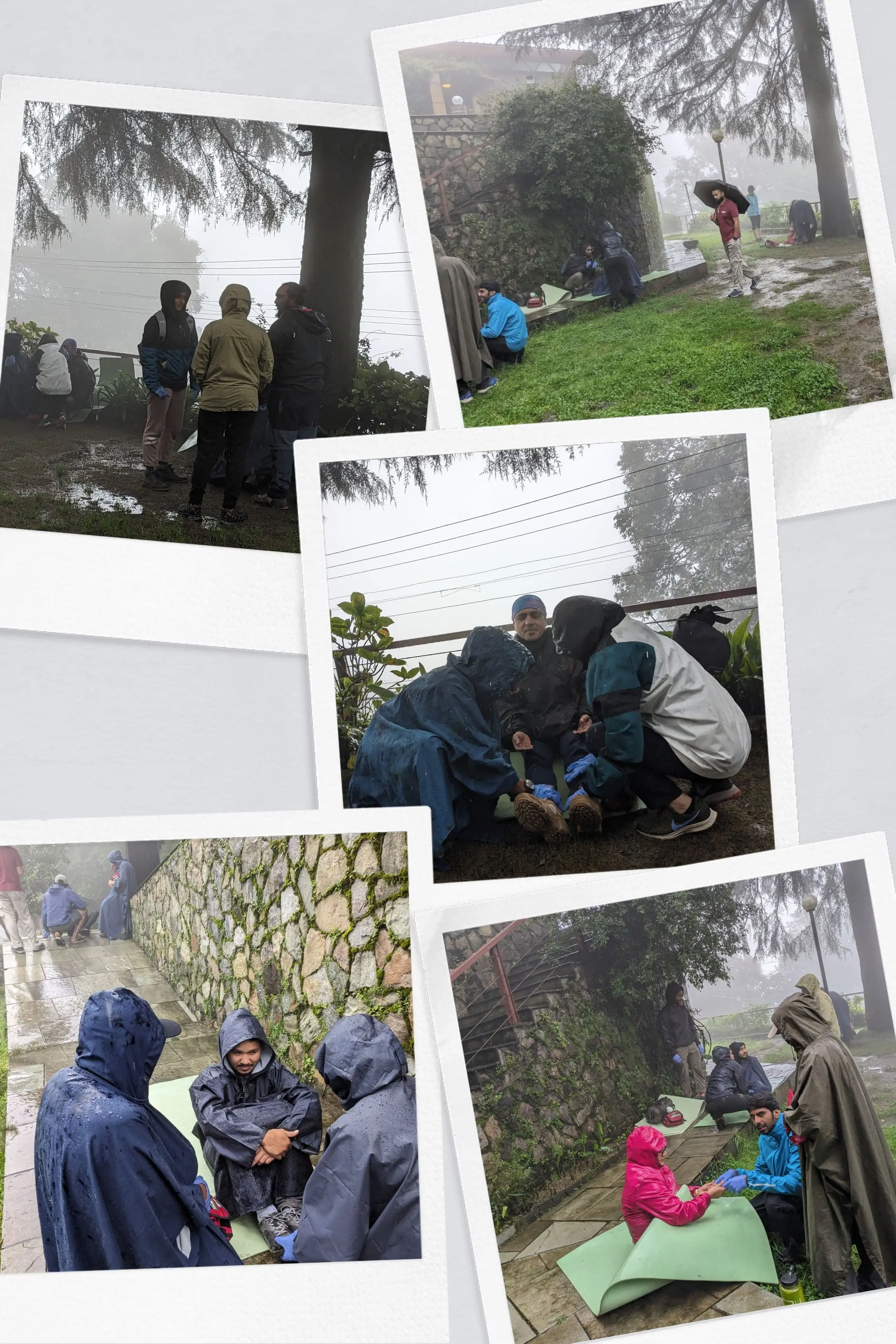
In the wilderness, it is difficult to quickly get an ambulance or reach a hospital. Our resources are limited, we have to attend to the patient for extended periods of time, improvise with what we have, and make critical decisions about whether and how to evacuate. The environment itself — altitude, cold, heat, technical terrain, unpredictable weather — is a constant variable, and one of the biggest threats in such scenarios.
"The best tool in wilderness medicine is not something you keep in your first aid kit, but the organ between your ears."
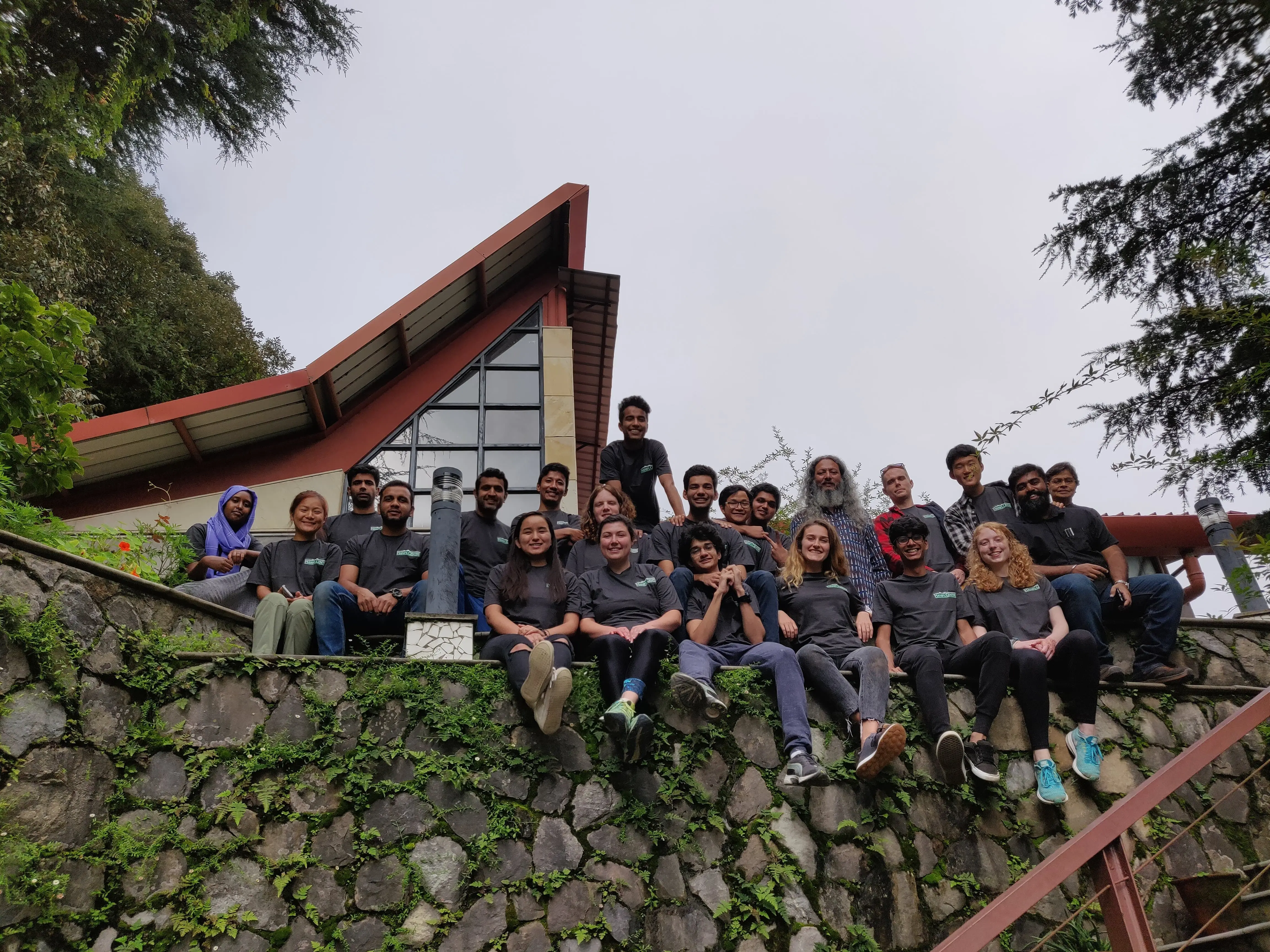
Our first aid programs are delivered in partnership with Hanifl Centre, Mussoorie, and Aerie Backcountry Medicine, Missoula, Montana, USA — internationally recognised bodies in wilderness and pre-hospital emergency care.
WFA
Wilderness First Aid
2.5 days
An accessible, high-impact introduction to wilderness medicine. Designed for outdoor enthusiasts, camp counsellors, travel company employees, and anyone who spends meaningful time in remote environments. Aerie WFA Page
- Learn the patient assessment system
- 16 hours, plus 4 hours CPR
- Focus on ABCDEs - Life threats
- Diabetes, seizures, asthma, and anaphylaxis
- Evacuation decision-making principles
WFR
Wilderness First Responder
9 days
The international gold-standard medical certification for outdoor professionals, guides, and search-and-rescue teams. WFR teaches you to make critical medical and evacuation decisions when definitive care is more than an hour away. Aerie WFR Page
- 72 hours of course instruction plus CPR
- Lots of hands-on practice and scenarios
- Emergency treatment for trauma and illness
- Patient moves and litter carry
- Long term patient management
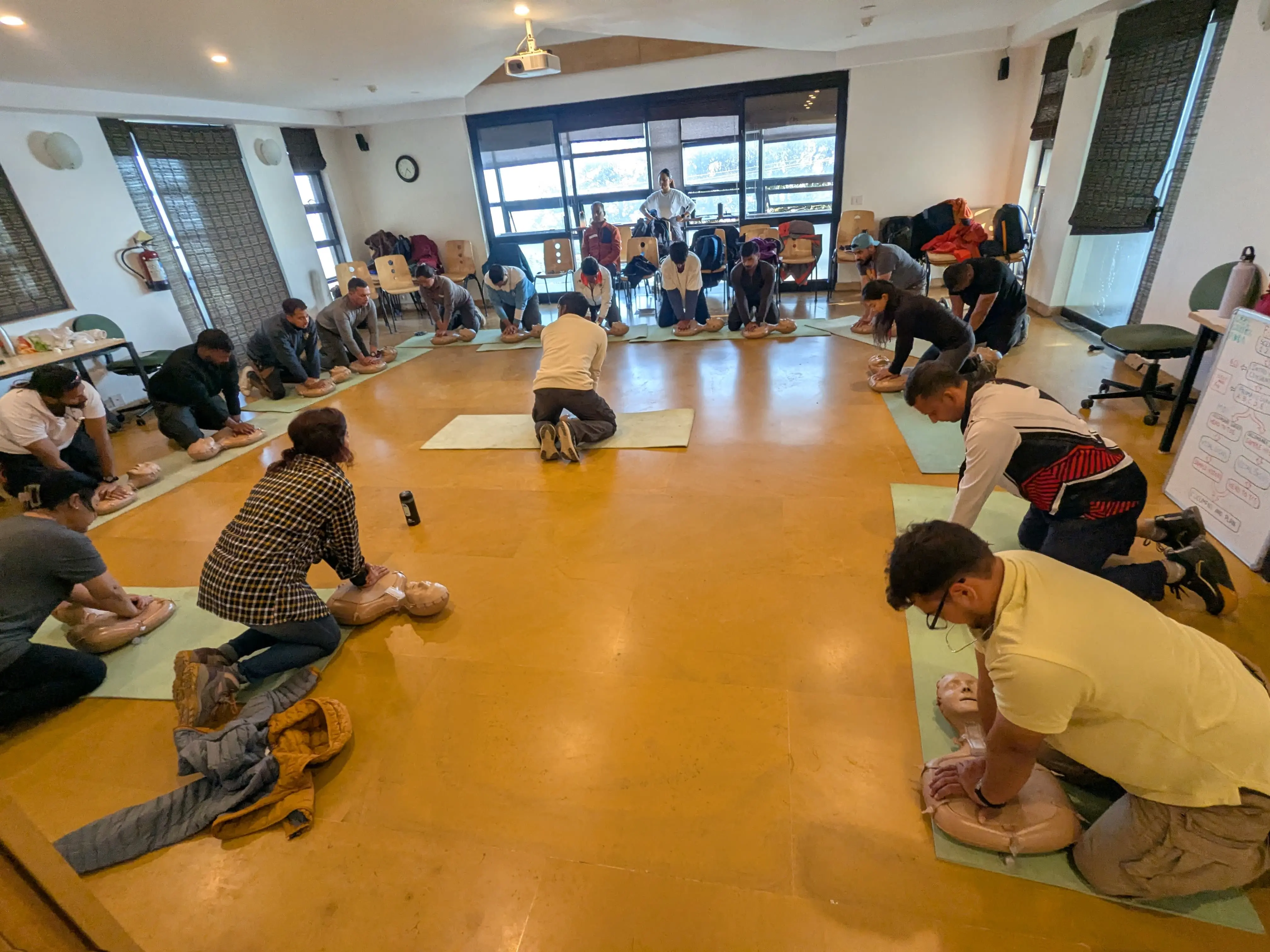
Both courses are heavily scenario-based, placing you in realistic emergency situations and building the decision-making skills that matter most when the pressure is real. The skills you learn will help in emergencies in the outdoors as well as at home — cardiac events, severe allergic reactions, traumatic injuries, and more are not confined to the wilderness.
Outdoor Leadership & Team Building
Leadership is not a title. It is a set of practiced behaviours — ways of communicating, making decisions, managing conflict, and caring for a group — that can be taught, refined, and embodied. The outdoors is among the most powerful classrooms for developing these skills, because it strips away the familiar and forces you to show up.
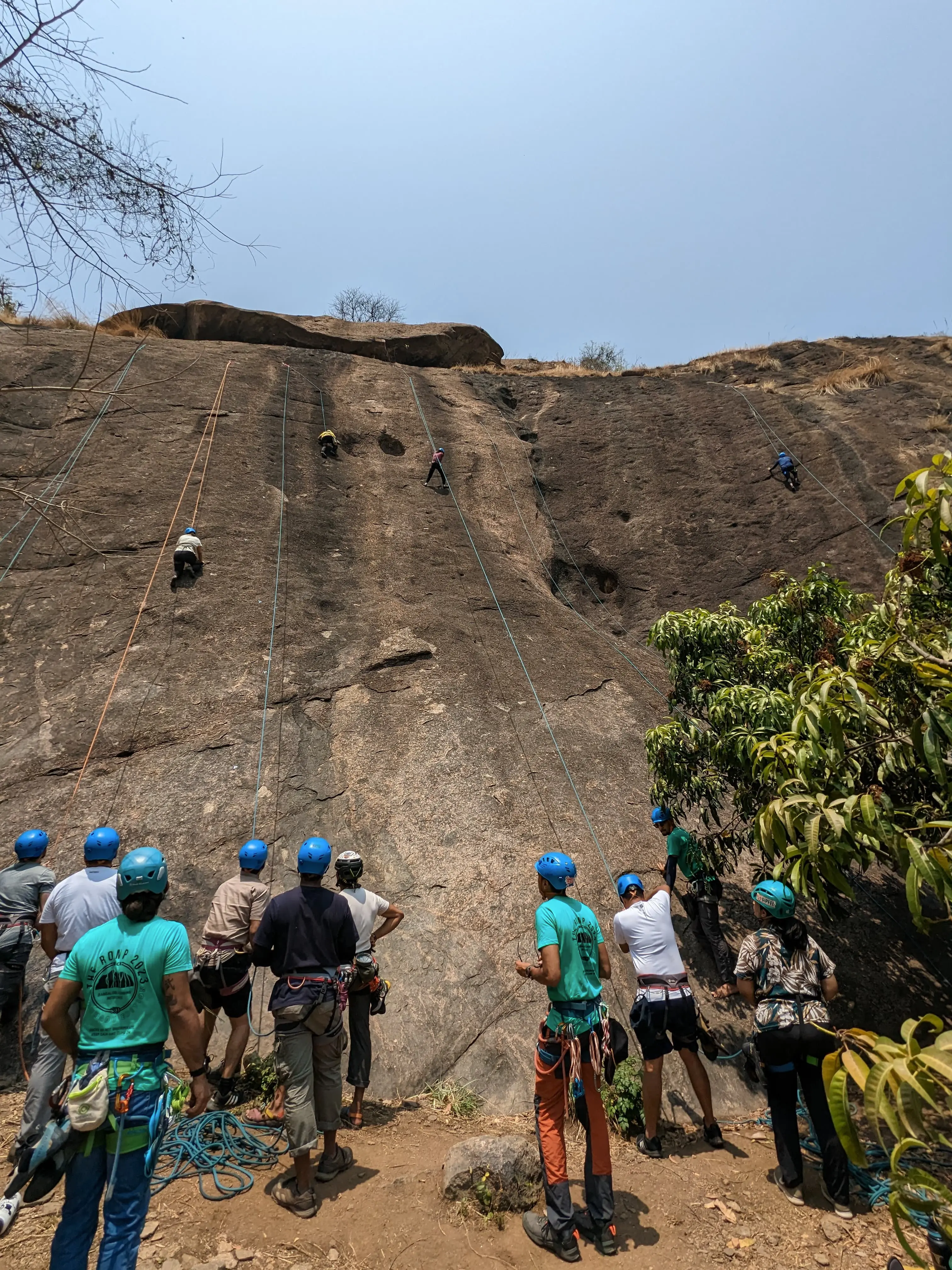
Outdoor leadership programs place participants in real environments with real consequences — expeditions, team challenges, and wilderness scenarios — where leadership is not theoretical. You lead a group through a river crossing. You manage a conflict between teammates on day four of a trek. You make a call under uncertainty when weather closes in. These are the moments that reveal character and build it.
"The wilderness does not grade on a curve. It responds to who you are and what your team is capable of — and it gives you the feedback you need to grow."
Our programs draw from the NOLS (National Outdoor Leadership School) leadership framework and other evidence-based models, structured around six core domains:
Expedition behaviour
How you show up for your team — service, humility, awareness, and the ethics of shared hardship. Expedition behaviour is the social contract of the backcountry.
Communication
Speaking clearly under pressure, listening actively, and navigating conflict constructively. Good communication is the difference between a group and a team.
Decision-making & judgement
Risk assessment, managing uncertainty, and making sound calls when the information is incomplete. Judgement is a muscle built through practice and reflection.
Self-awareness
Understanding your own tendencies, strengths, and blind spots — and knowing when to lead, when to follow, and how to support those around you.
Vision & action
Holding the bigger picture — the group's safety and goals, and acting appropriately to turn ideas into reality.
Tolerance for Adversity and Uncertainty
Learn to stay calm and collected when dealing with the unknown, or when the going is tough.
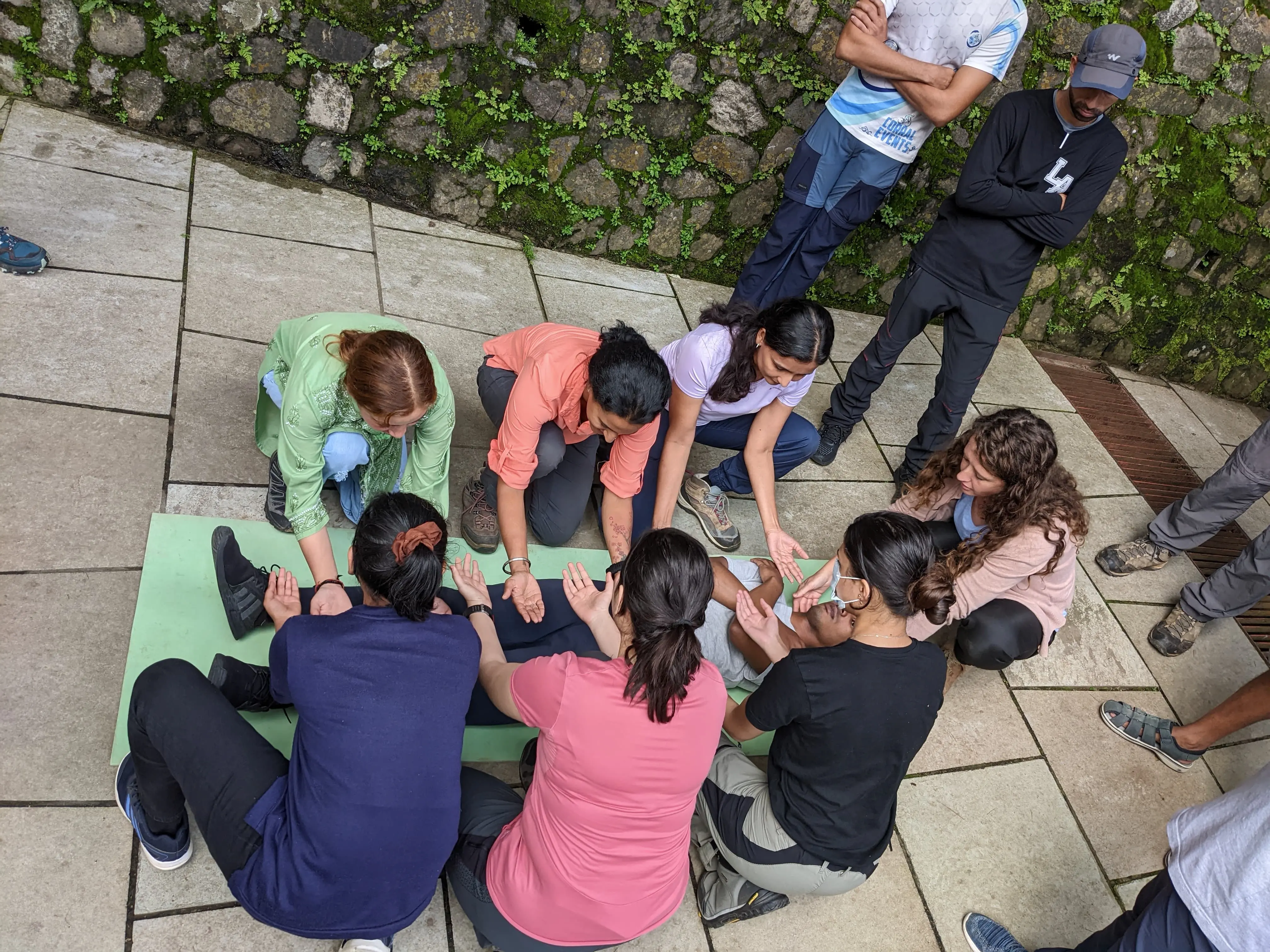
Programs can be structured for school and college groups in length, intensity, and focus based on their curriculum. Whether the goal is developing student leaders, building cohesion within a new cohort, or simply challenging a group to discover what they are capable of, each program is designed to leave participants with a clearer sense of themselves and each other.
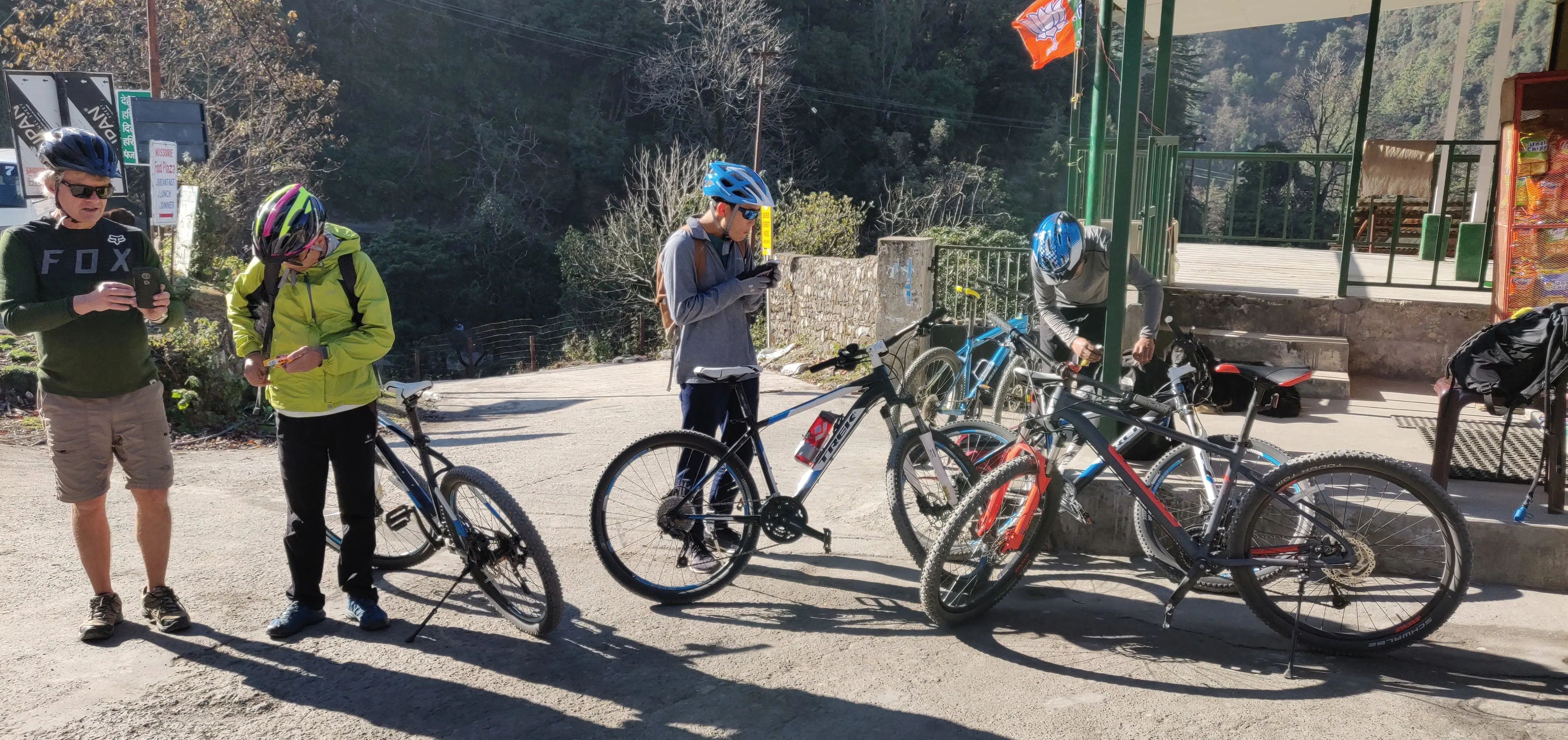
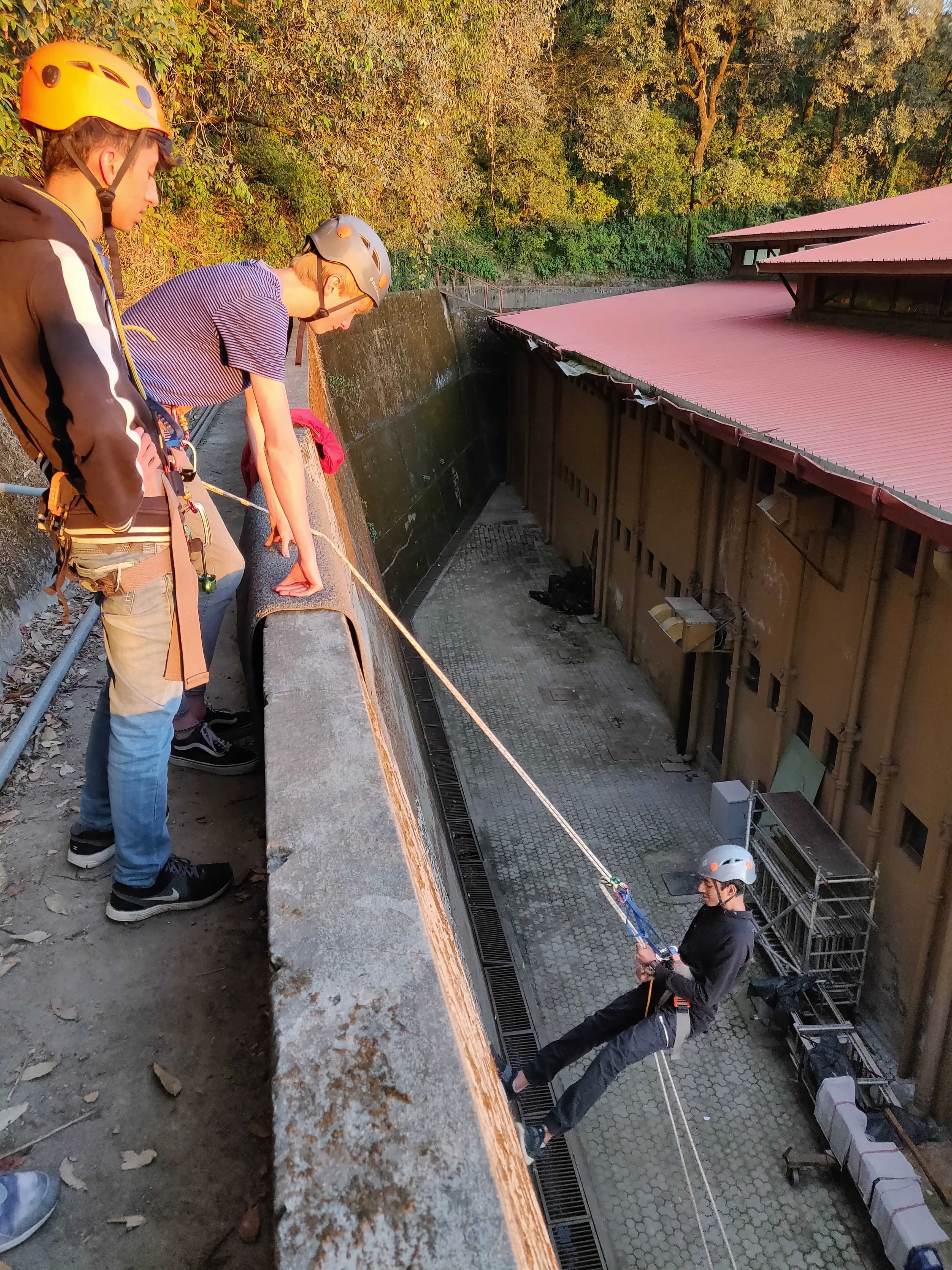
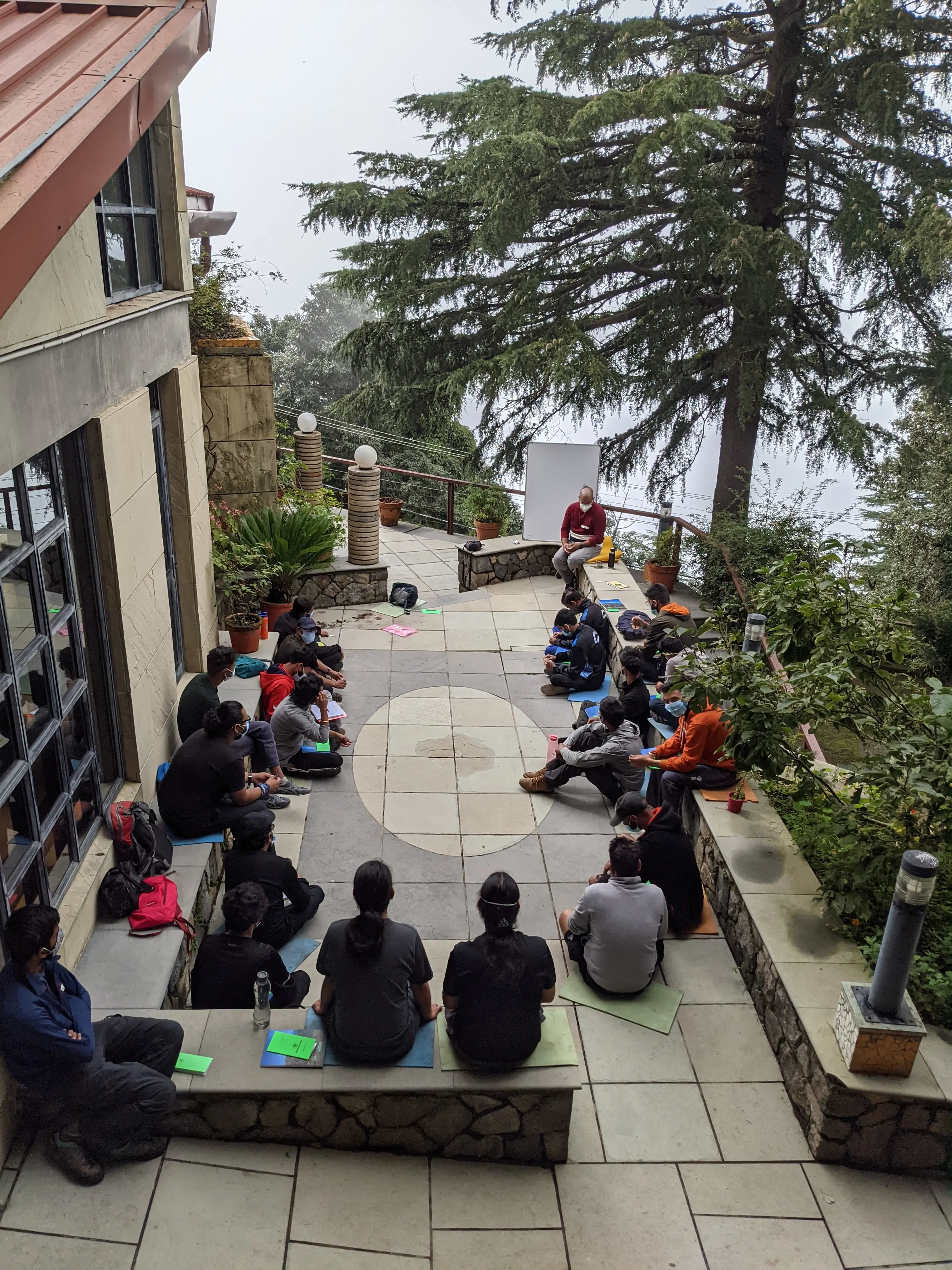
Programs in Action