Offbeat Travel · Assam & Arunachal Pradesh

Majuli & Eastern Arunachal Pradesh

The world’s largest inhabited river island. Theravada Buddhist heartland. The least-explored rainforest in India.

Duration 8 Days
Grade Easy to Moderate
Best Season Oct–Apr
Region Assam & East Arunachal

Two Extraordinary Destinations. One Unforgettable Journey.

Begin on Majuli, the world’s largest inhabited river island, floating in the Brahmaputra in Assam. A living sanctuary of Sattriya dance, Vaishnavite monasteries, Mishing tribal villages, and mask-making traditions. Then cross into Eastern Arunachal Pradesh, travelling through the Theravada Buddhist heartland of Namsai with its gleaming Golden Pagoda, before reaching the remote frontier town of Miao. Gateway to Namdapha National Park, one of India’s greatest and least explored rainforests.

This is not a comfortable circuit of well-trodden sights. It is an immersion into cultures and ecosystems that most travellers never reach.

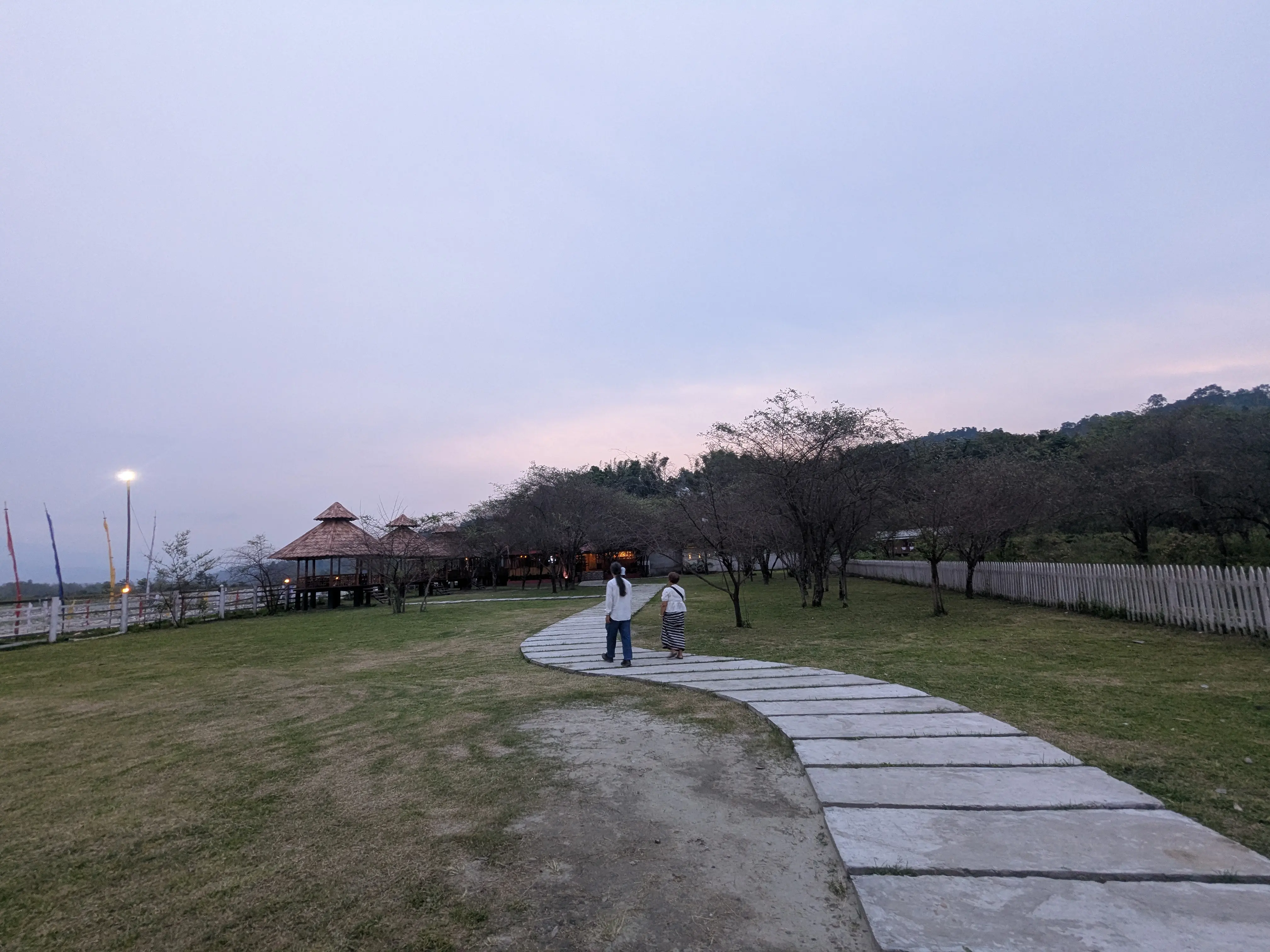
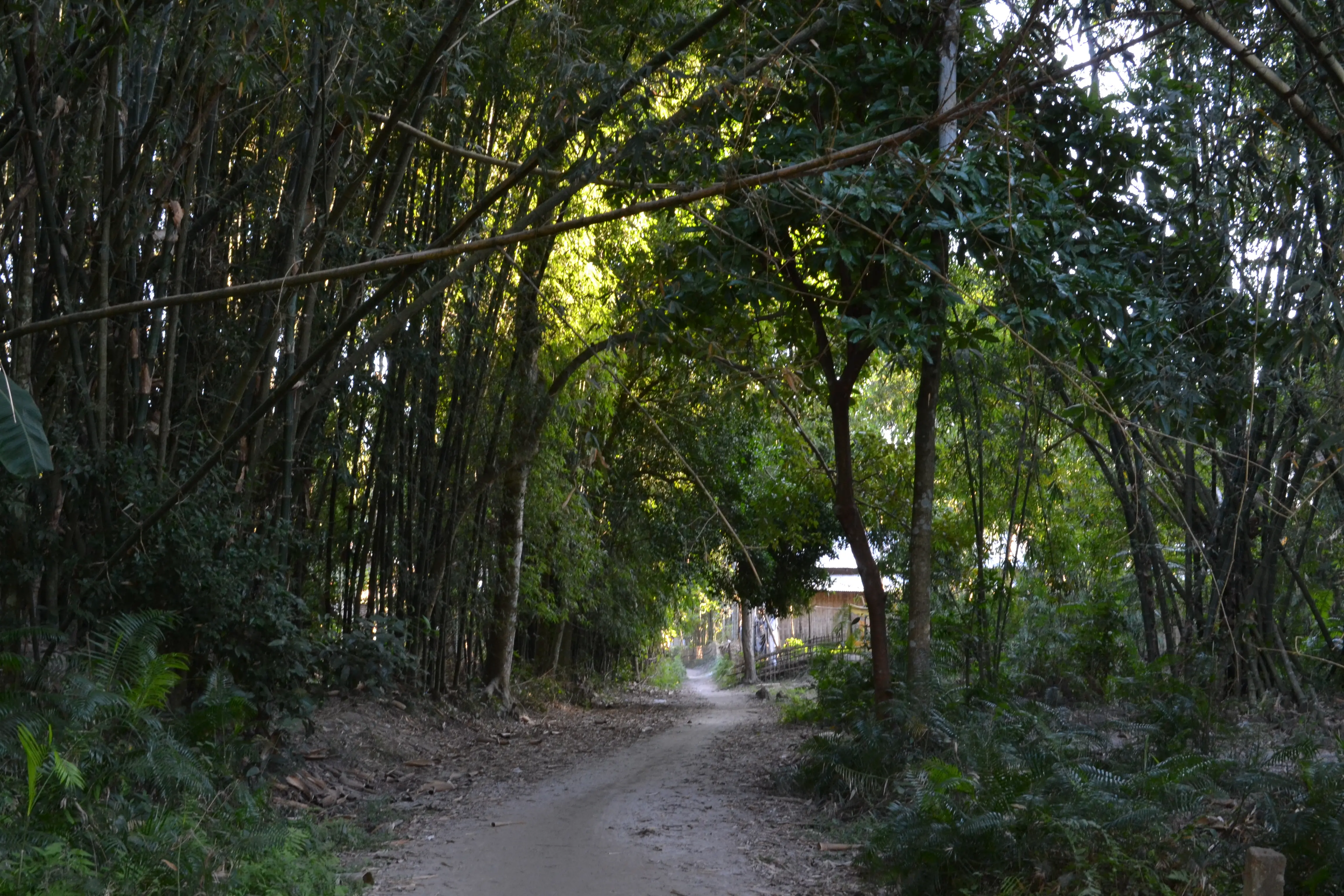
Scenic landscape of Eastern Arunachal

What Defines This Journey

Majuli Island

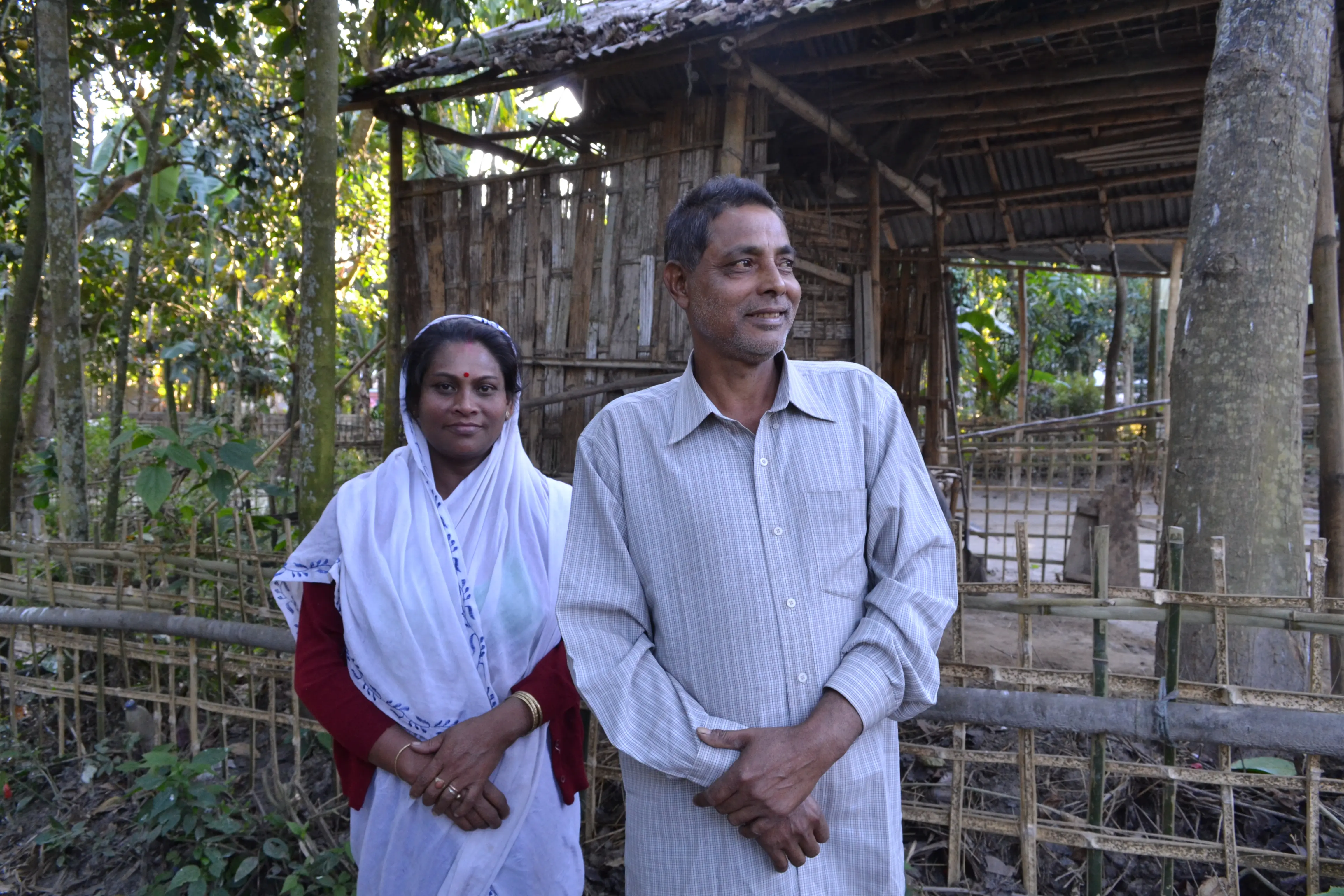
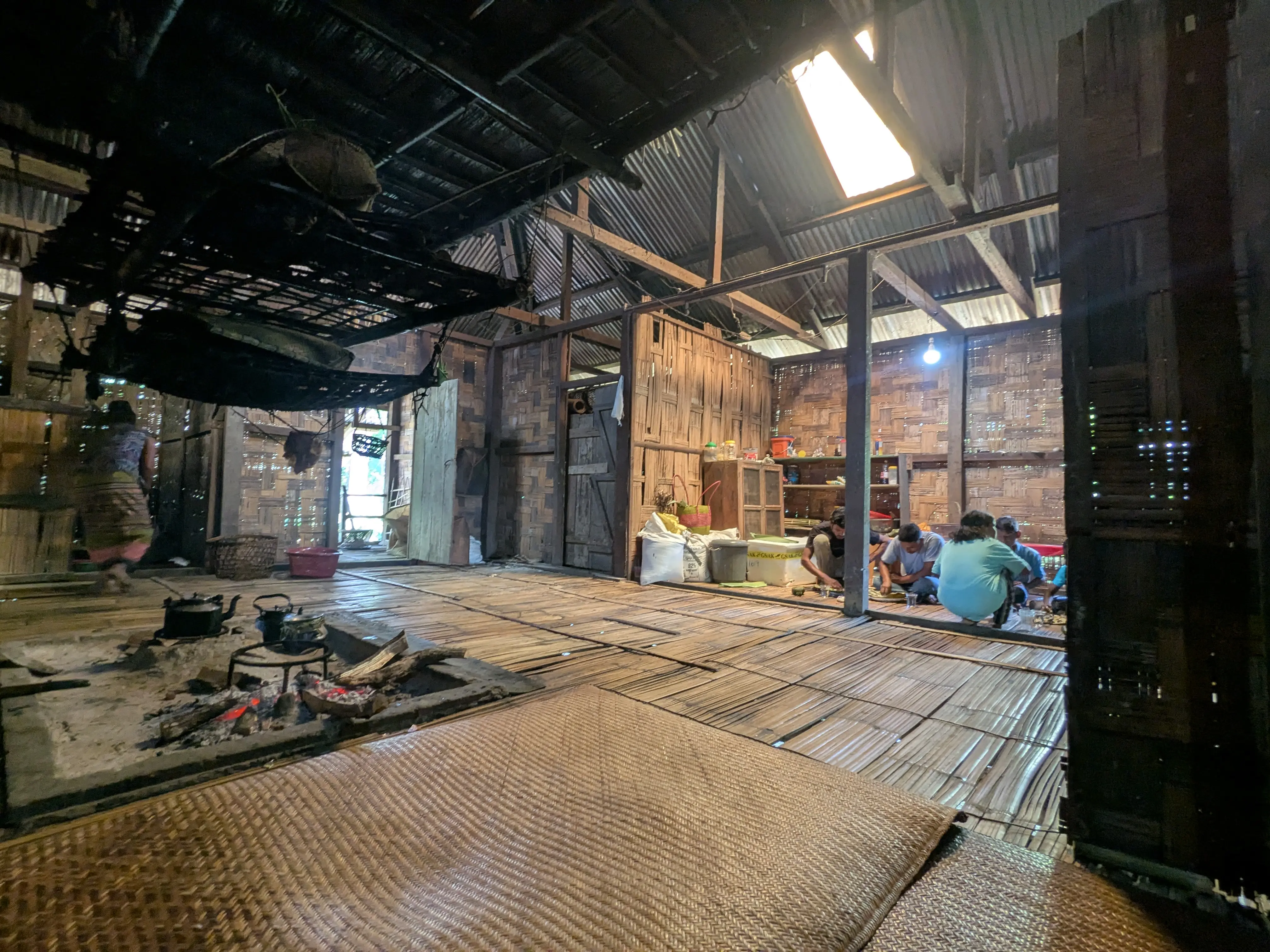
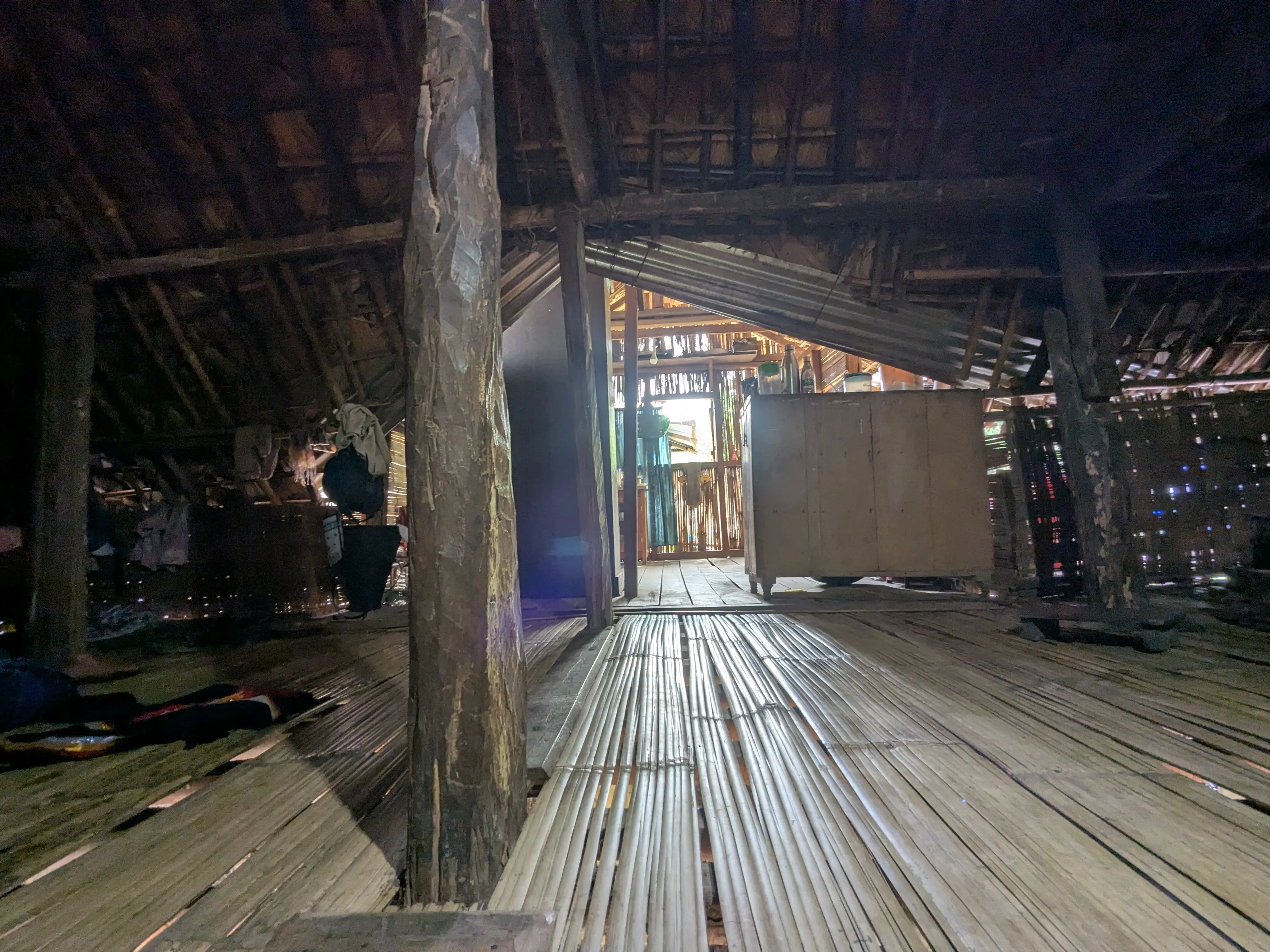
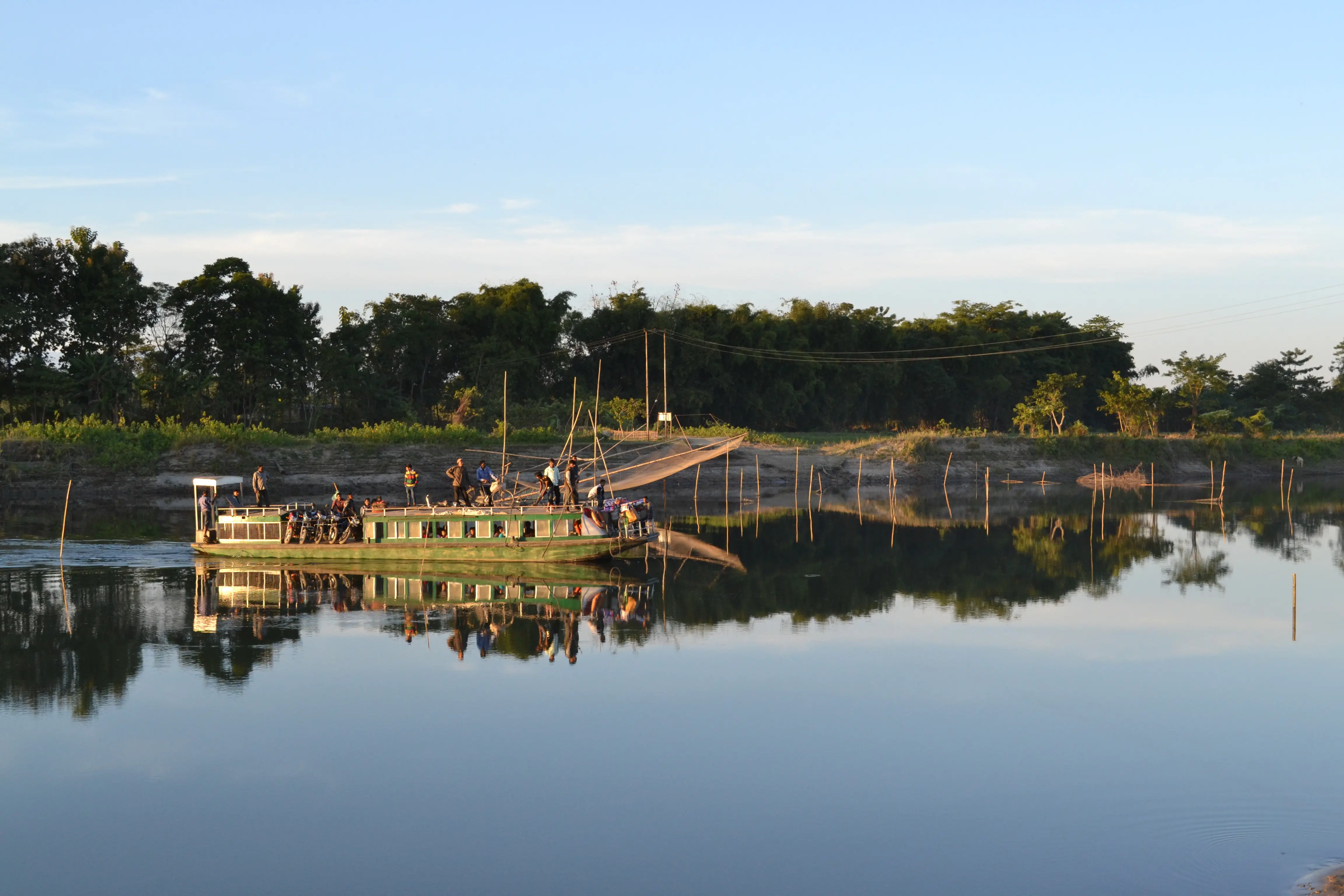
The world’s largest inhabited river island, arrived at by a ferry crossing of the magnificent Brahmaputra. A landscape of paddy fields, bamboo groves, and wetlands teeming with birds. And an evening walk through a Mishing village — traditional stilt houses, hand-woven textiles, and warm hospitality over rice beer.

Satras in Majuli

Ancient Vaishnavite monasteries that are living centres of the 500-year-old Sattriya tradition. Monks train here from childhood in classical dance, theatre, and the art of crafting giant papier-mâché and bamboo masks for Bhaona performances.

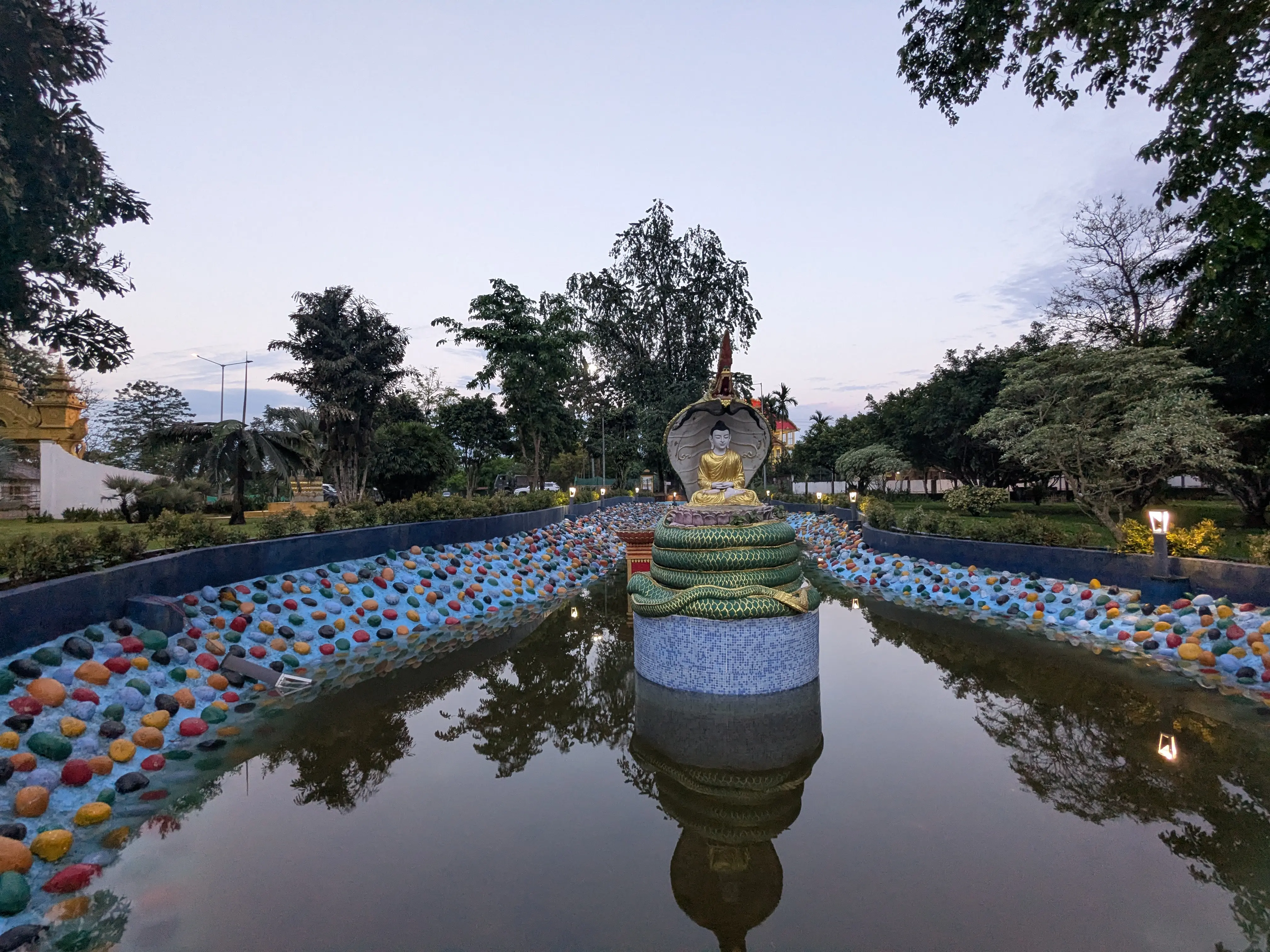
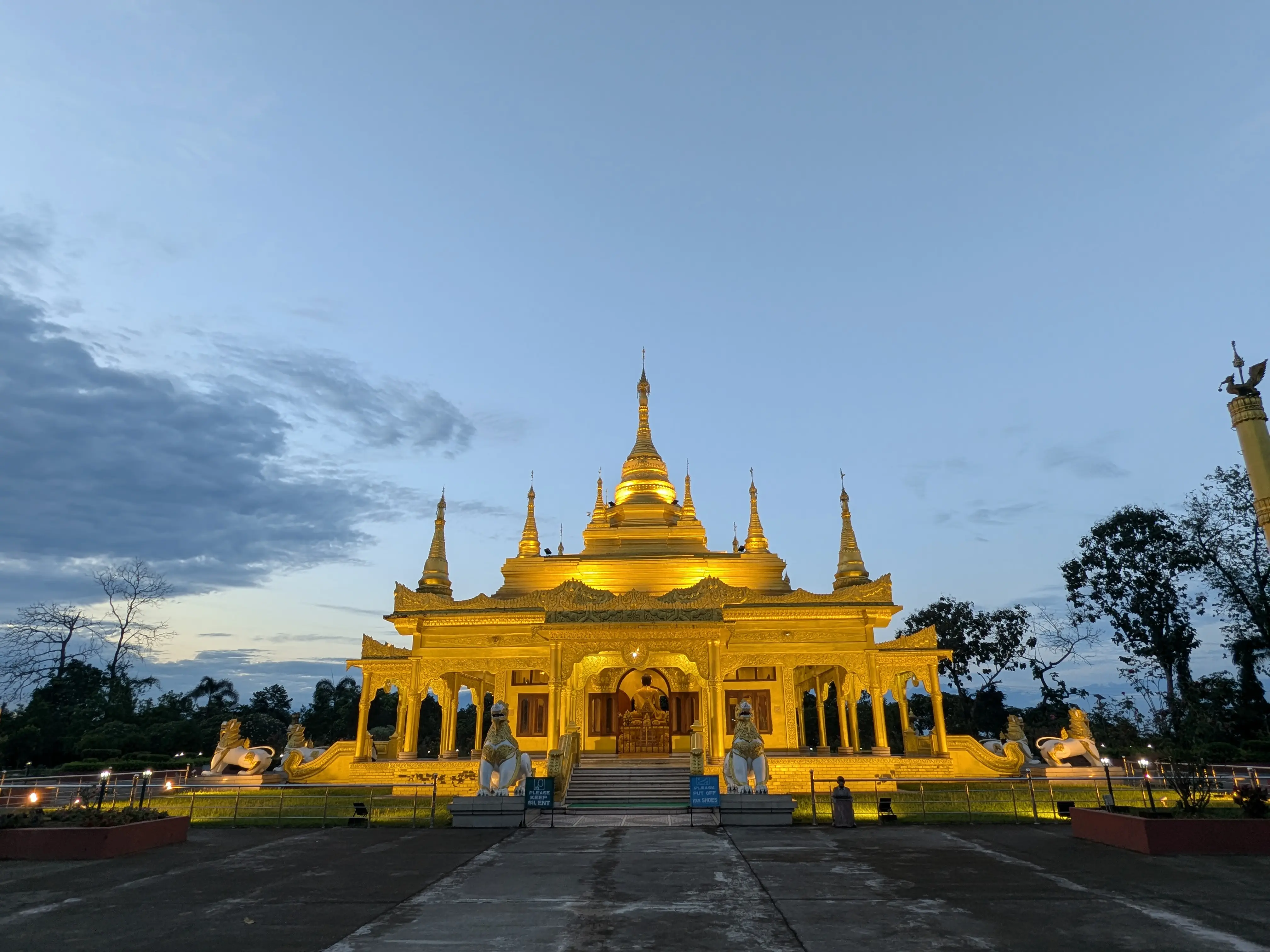
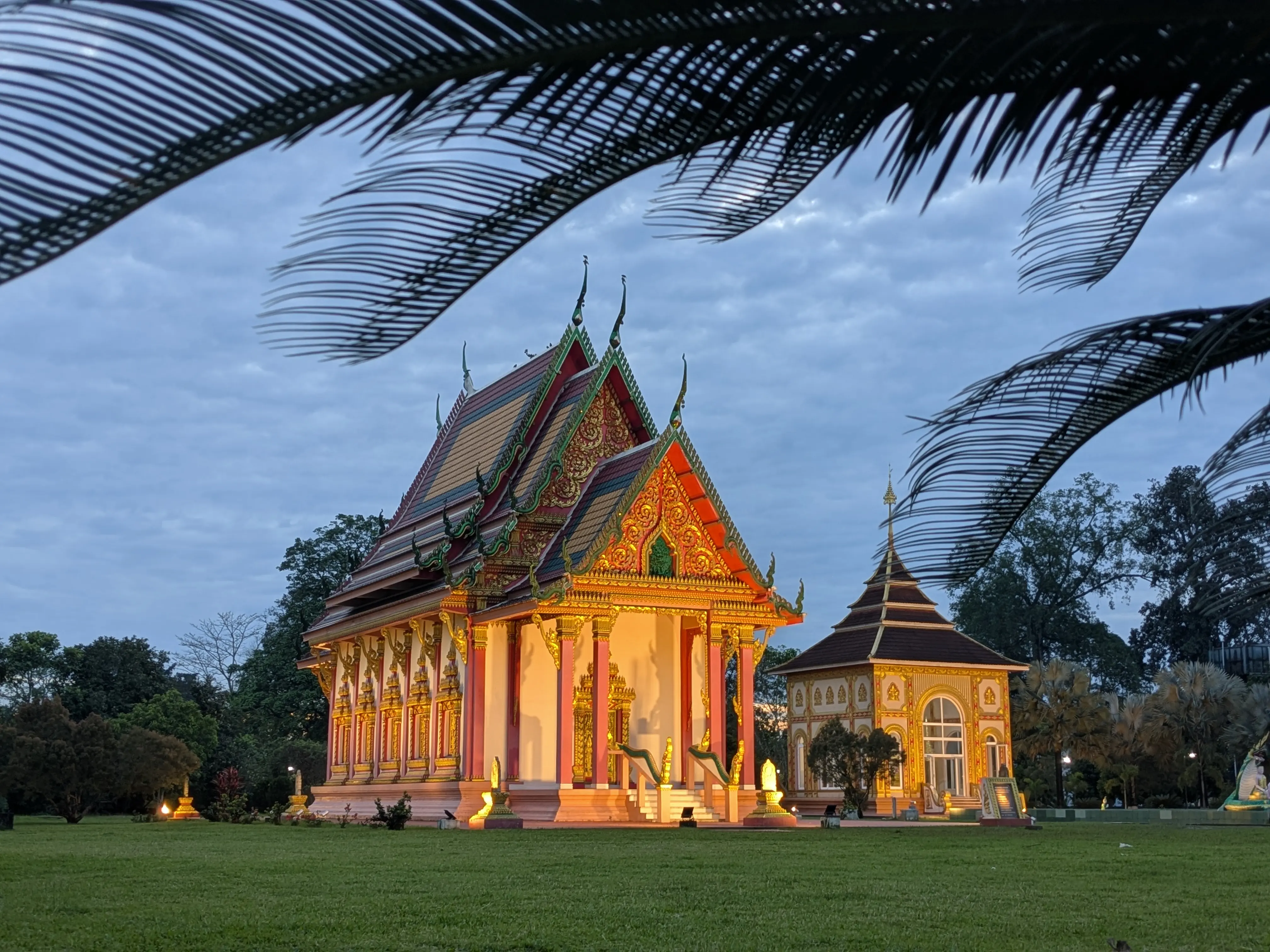
Golden Pagoda, Namsai

A magnificent Theravada Buddhist temple complex of the Tai Khamti people. The gilded spires rising above the jungle are among the most visually striking sights in Northeast India.

Namdapha National Park

One of India’s largest and most biodiverse protected areas. Home to all four big cats, Hollock Gibbons, Hornbills, White-bellied Herons, and over 1,000 plant species.

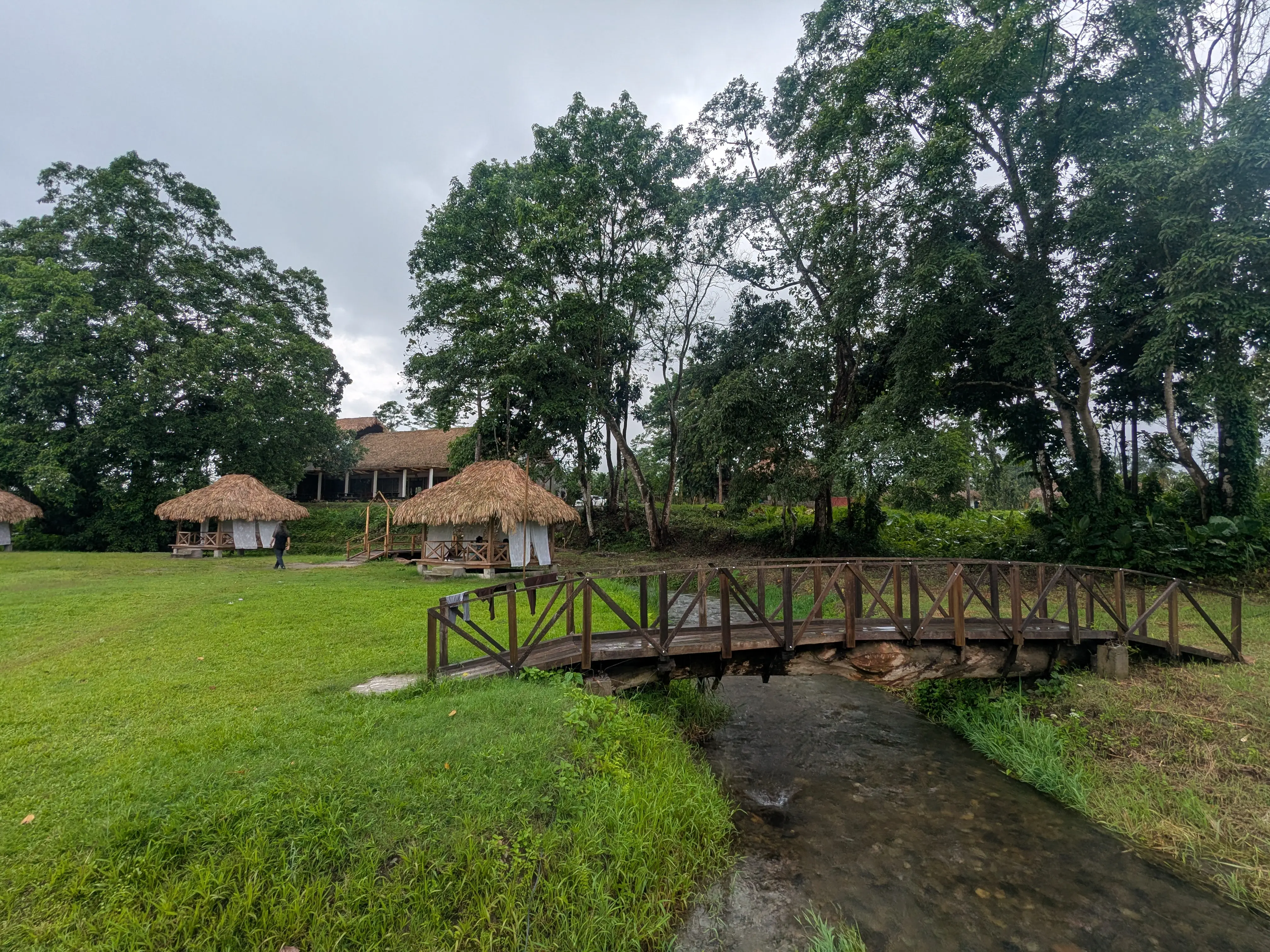
Teekhak Homestay, Miao

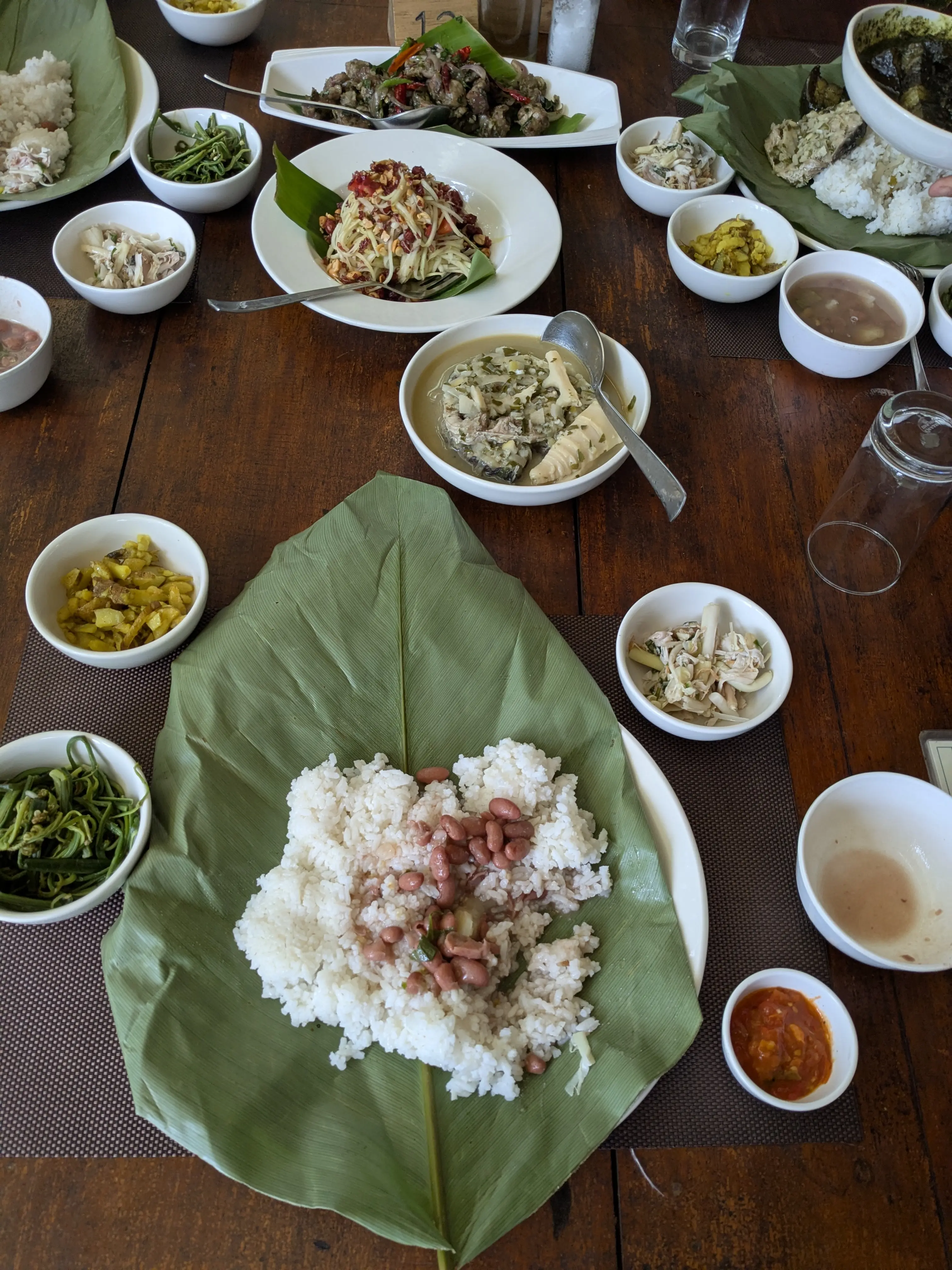
A warm community-run homestay offering an authentic window into local Singpho culture and forest life. Meals cooked over a wood fire, conversations under the stars.

Unique Thai-Burmese Culture

The district feels like a sliver of Southeast Asia inside India. The Tai Khamti, Singpho, and Tangsa communities bring a Thai-Burmese cultural flavour unique to this corner of Arunachal.

Wildlife spotting in Namdapha rainforest

Day by Day

Day1

Fly in to Dibrugarh / Jorhat · Drive to Majuli

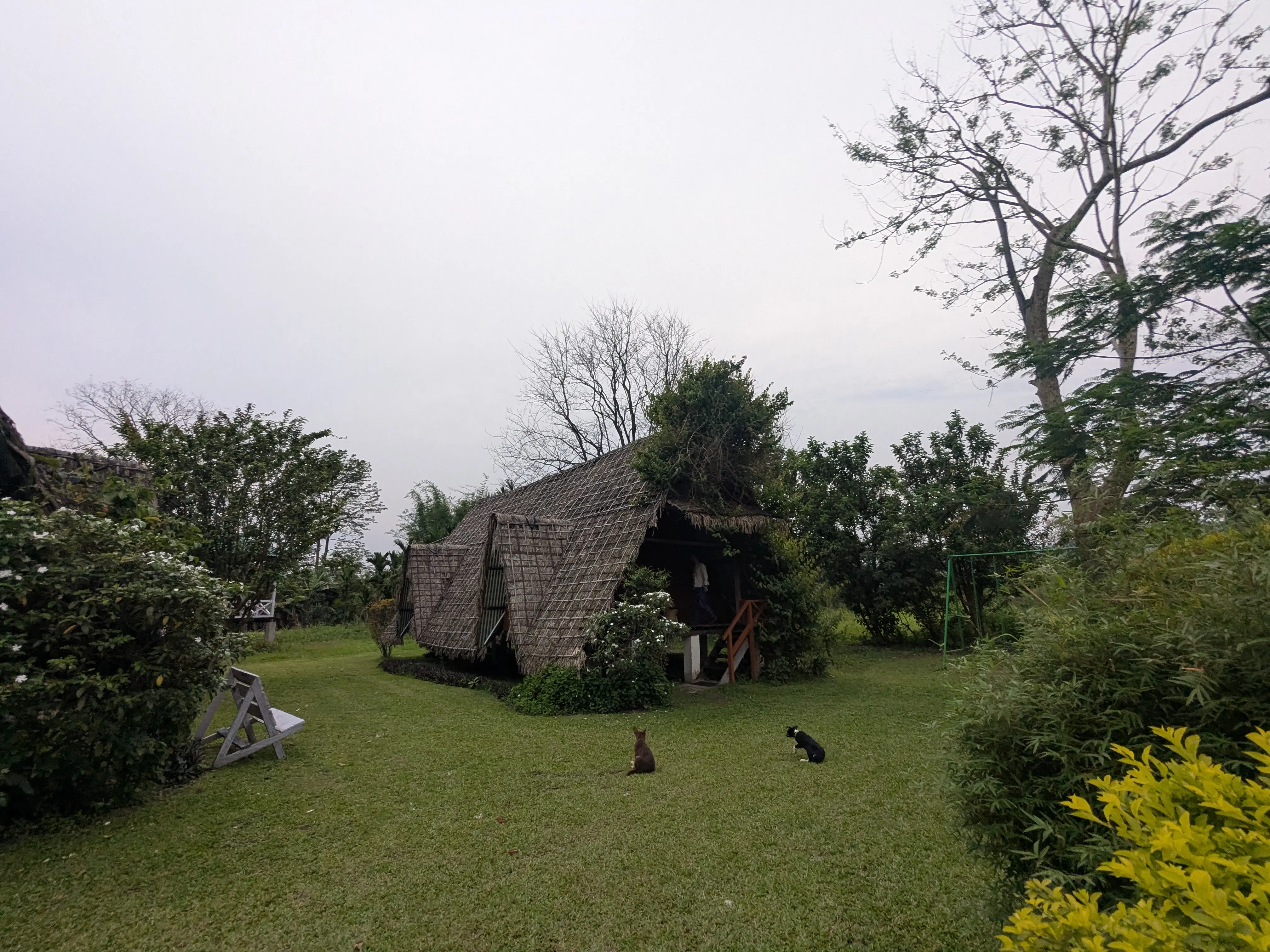
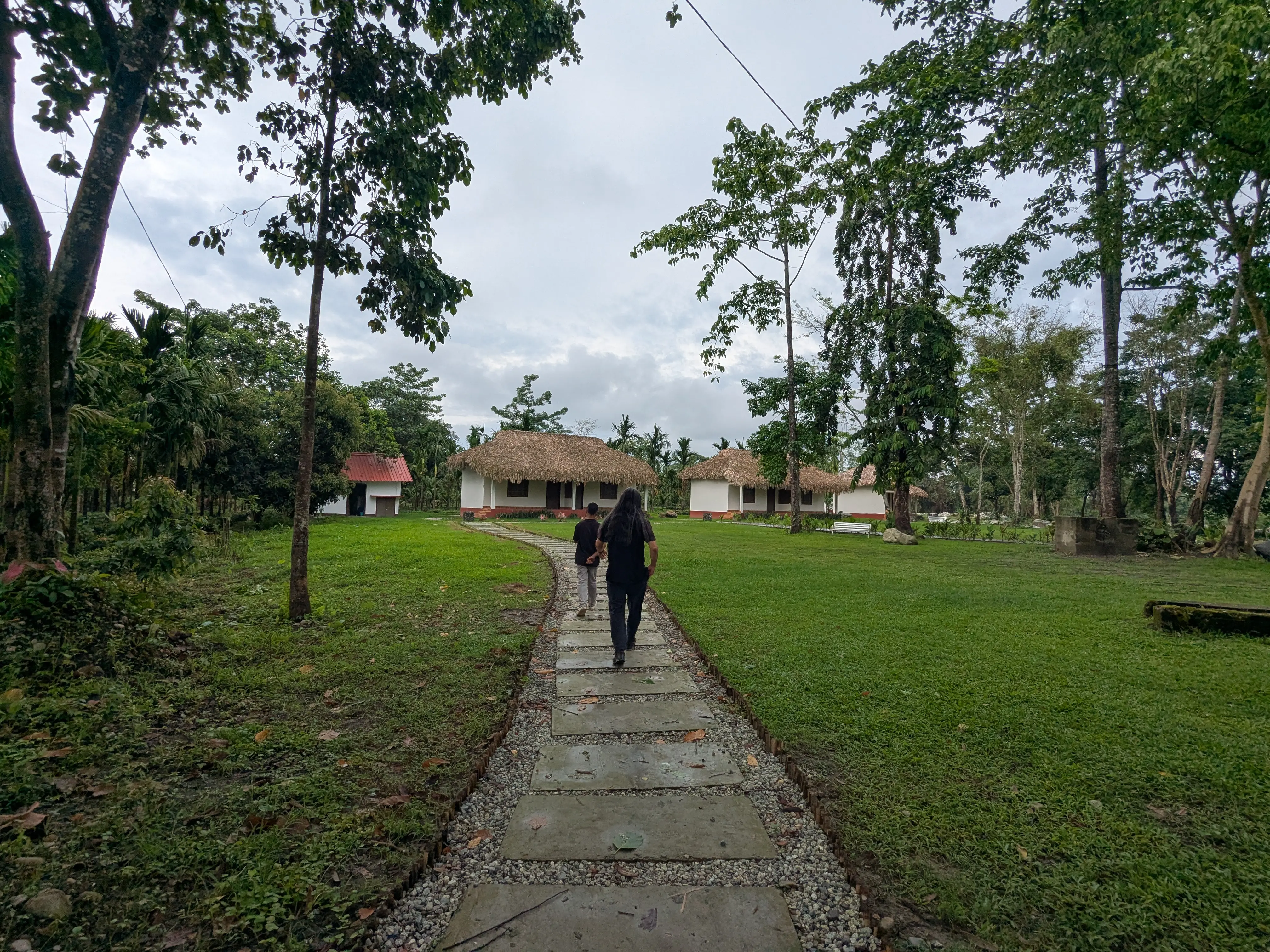
Arrive at Dibrugarh or Jorhat Airport. Drive to Neemati Ghat, where you board a ferry for the crossing of the Brahmaputra. The ferry ride deposits you on Majuli Island. Check in to your bamboo cottage and settle in as the Brahmaputra turns gold at sunset. Overnight: Majuli.
Day2

Majuli: Satras, Masks, and Mishing Village

Morning visits to Kamalabari Satra, one of the oldest and most architecturally distinguished monasteries, then Auniati Satra, famed for its collection of antique jewellery and manuscripts. Continue to Samaguri Satra, the island’s world-renowned mask-making monastery, where monks craft enormous papier-mâché masks. In the afternoon, visit a Mishing tribal village. Dinner back at the resort. Overnight: Majuli.

Day3

Majuli to Namsai · The Golden Pagoda

Morning ferry back across the Brahmaputra to the mainland. Drive east toward Namsai district. The landscape subtly transforms: golden-spired temples, prayer flags, a quieter Southeast Asian-feeling countryside. Check in to Himnam Resort. In the late afternoon, visit the Golden Pagoda at its most beautiful in the evening glow. Overnight: Himnam Resort, Namsai.

Day4

Namsai: Empong Village · River Island Afternoon

Morning drive to the ancient village of Empong in the Chongkham circle. The Empong Monastery is regarded by local Tai Khamti and Singpho people as Ti Met, a holy place of special spiritual power. Walk through the village, interact with families in traditional stilt homes, and observe hand-loom weaving. Afternoon on a scenic river island: sandbars and floodplain settlements on the Lohit. Overnight: Himnam Resort, Namsai.

Day5

Namsai to Miao

Morning drive from Namsai to Miao, passing through forested hill terrain and the Changlang district. Miao is a small frontier town at the edge of Namdapha National Park; its position at the junction of the Himalayan foothills and the Indo-Myanmar border gives it a wild, end-of-the-road atmosphere. Check in to Teekhak Homestay or Namdapha Eco Camp. Evening interaction with your hosts over a home-cooked dinner. Overnight: Miao.

Day6

Miao: Full-Day Excursion into Namdapha

An early start for the day’s centrepiece. Drive 25 km to Deban, the park entry point on the banks of the Noa Dihing River. Trek through the forest for 4–5 hours with a local naturalist guide. Hollock Gibbon calls fill the canopy, Hornbills wheel overhead, Red-headed Trogons flash through the understorey. Return to camp by late afternoon, then dinner under the open sky by the river. Overnight: Miao.

Day7

Miao: Tangsa Village · Tibetan Settlement · Lunch at Pisi’s

Morning in a nearby Tangsa tribal village. Walk through the village, observe traditional food preparation and rice beer, and learn about animist rituals alongside Christian and Buddhist practices. Mid-morning at the Choephelling Tibetan Refugee Settlement, established in 1975. Visit the carpet-weaving centre, one of Miao’s best-kept secrets: artisans create extraordinarily detailed Tibetan carpets using New Zealand wool. Lunch at Pisi’s, the most distinctive dining spot in Miao. Overnight: Miao.

Day8

Miao to Dibrugarh · Fly Out

Post-breakfast drive from Miao to Dibrugarh Airport. Transfer in time for onward flights. The journey back passes through tea garden landscapes and the broad floodplains of Upper Assam.

Traditional mask-making craftsmanship on Majuli Island

Plan Around These

Timing your visit around a festival transforms this journey into something unforgettable.

Raas Mahotsav, Majuli

The single most important cultural event on Majuli Island. Held every year on the full moon of the Assamese months Kati–Aghun, falling in October or November (typically mid-November). Each monastery stages its own interpretation of Krishna’s divine life through Bhaona masked theatre, classical Sattriya dance, and devotional music.

Sangken, Namsai

Celebrated 13–16 April across Namsai. The sacred bathing of Buddha idols at the Golden Pagoda, followed by exuberant water-splashing in the streets. India’s equivalent of Thailand’s Songkran, and often called India’s largest water festival.

Shapawng Yawng Manau Poi, Singpho

The national festival of the Singpho community, held 12–15 February at Namgo or Bordumsa village. A grand gathering of Singpho communities from India, Myanmar, and China, centred on the Manau communal dance around sacred Shadung totem pillars.

Wihu Kuh, Tangsa

An agricultural festival of the Tangsa tribe celebrated in June, marking the beginning of the rice-planting season. Communal feasts, folk music, rice beer, and the passing down of oral traditions across more than 30 Tangsa sub-tribes.

Ready for Majuli?

Get a detailed itinerary, permit guidance, and a personalised cost estimate. We’ll walk you through every step of preparation.